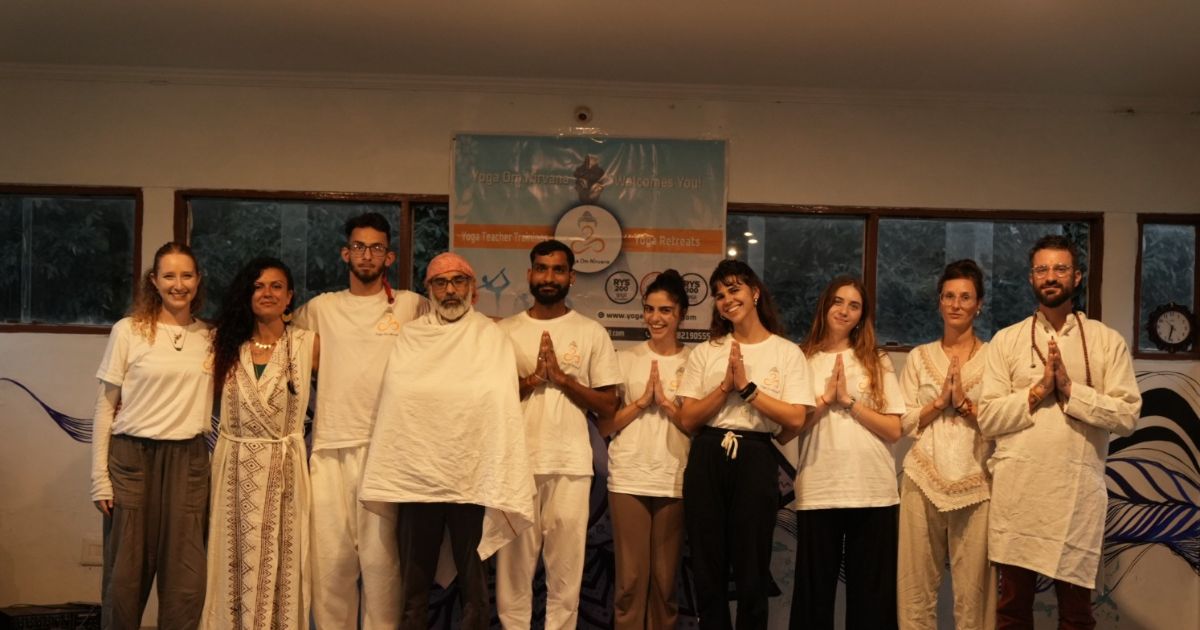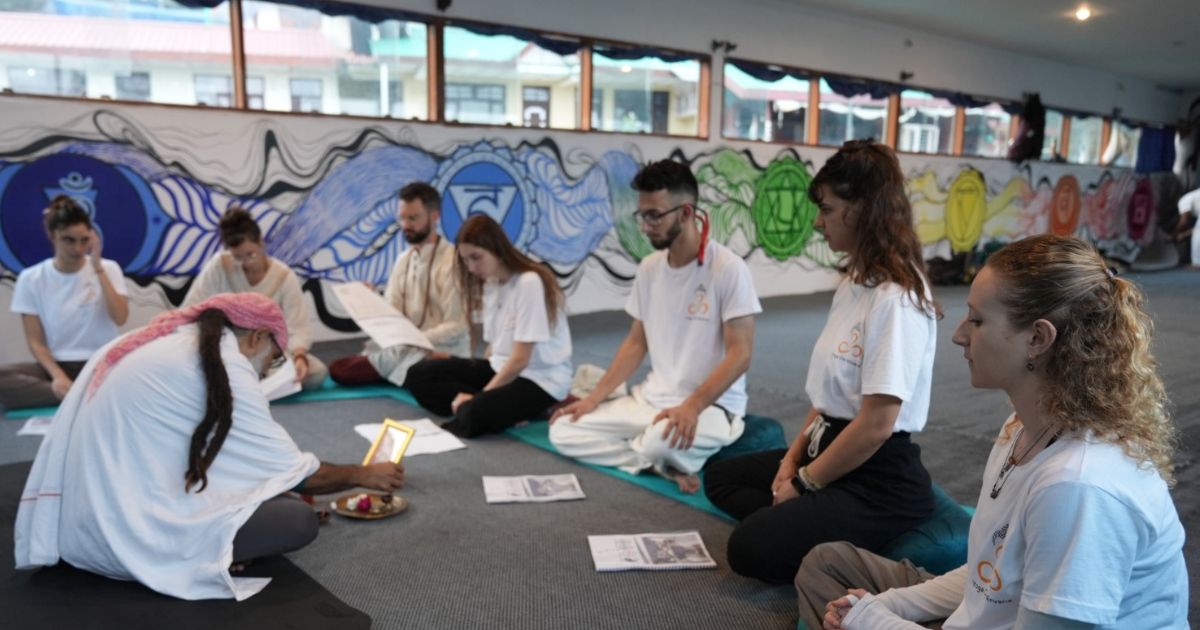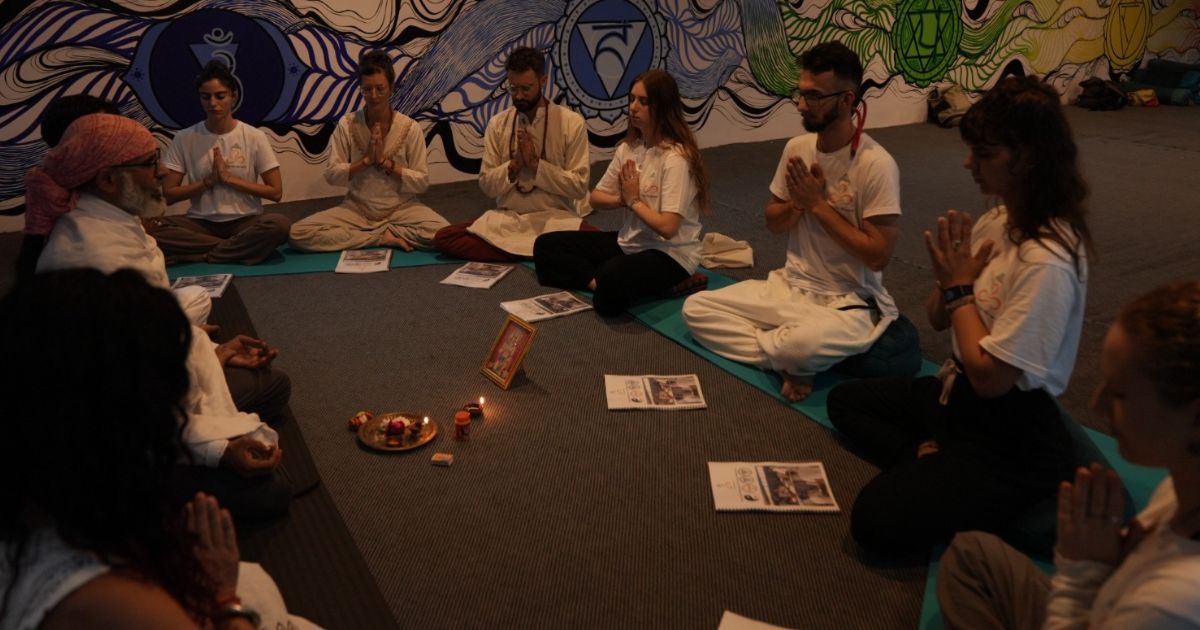
Yoga often begins as a physical practice. You attend classes, learn different asanas, improve your flexibility, and gradually become more aware of your breath. However, at some point, many practitioners feel ready to explore something deeper. They want to understand the philosophy, anatomy, teaching methods, and traditional practices that make yoga a complete way of life.
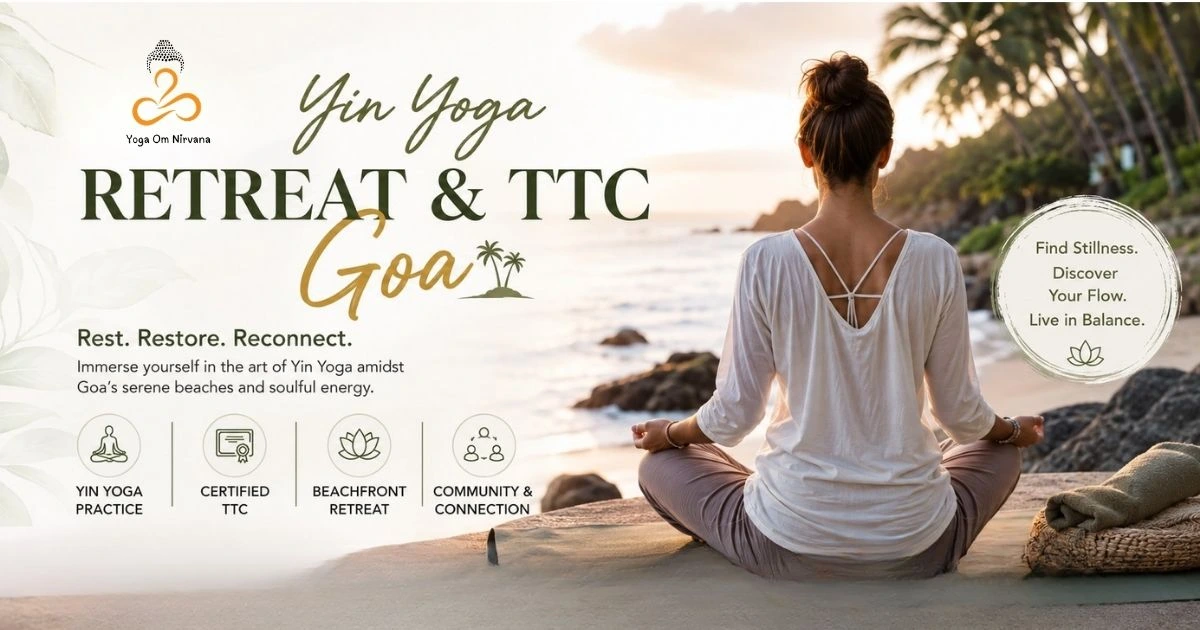
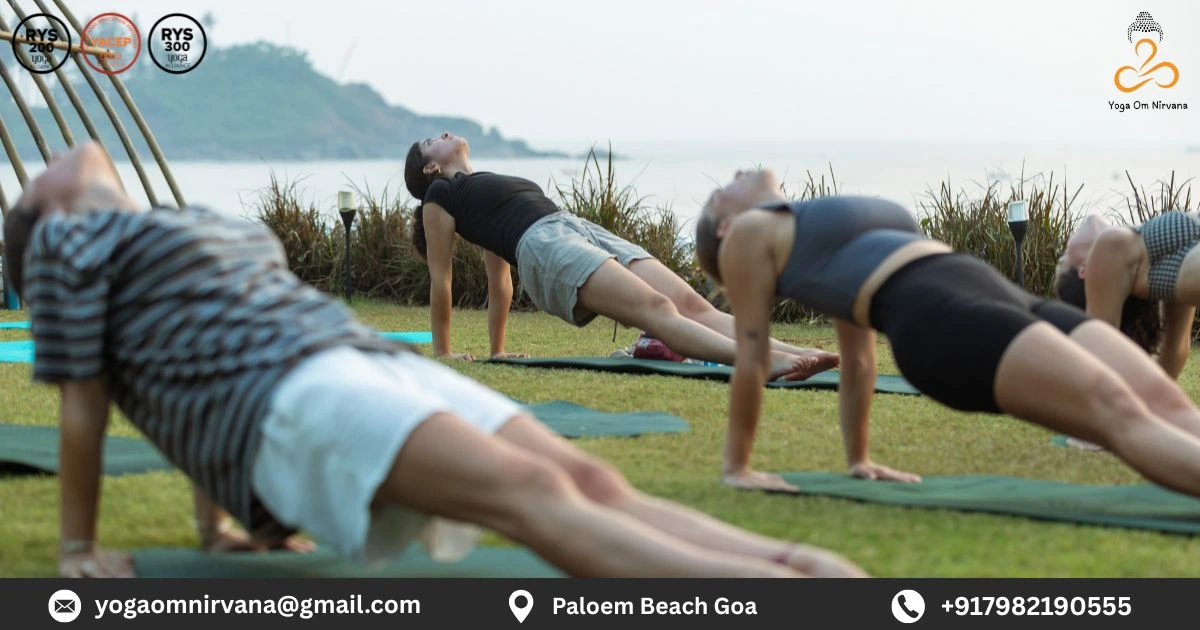
A 200 hours Yoga education program Goa offers an opportunity to take that next step. Surrounded by tropical landscapes and the peaceful atmosphere of coastal Goa, students can immerse themselves in yoga education while stepping away from the distractions of everyday life. Whether you want to become a yoga teacher or deepen your personal practice, a structured 200-hour program can provide a strong foundation for your journey.
Where Learning Meets the Ocean: Why Choose Goa for Yoga Education?
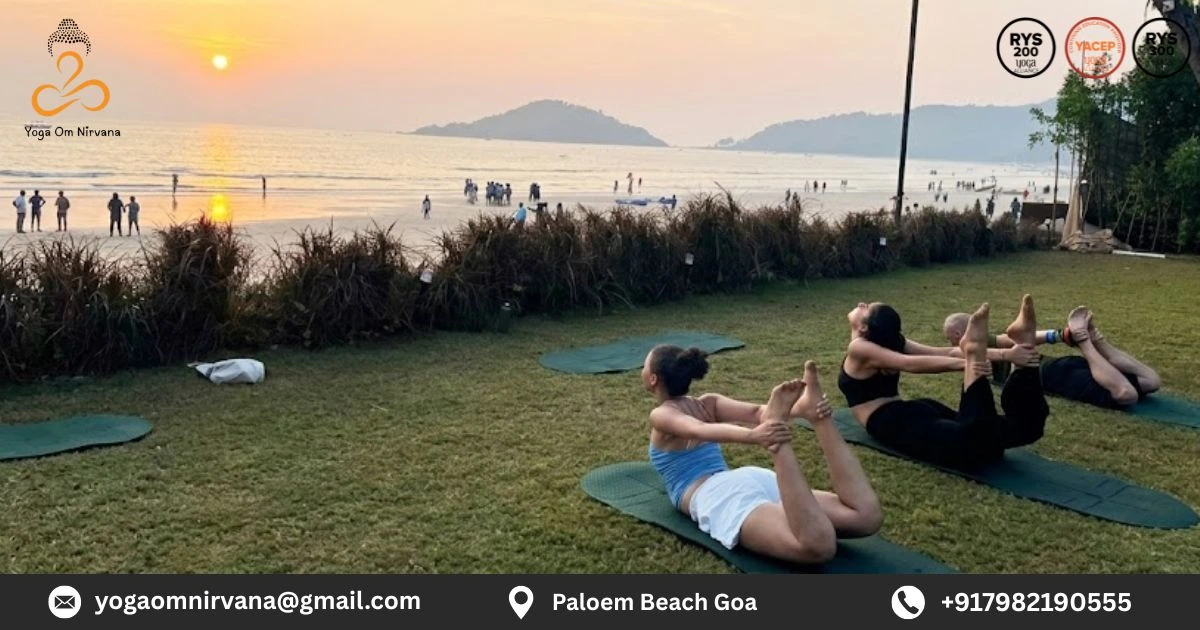
Goa is known worldwide for its beaches, relaxed lifestyle, natural beauty, and multicultural community. However, beyond its popularity as a holiday destination, it has also become an important location for yoga education and wellness experiences.
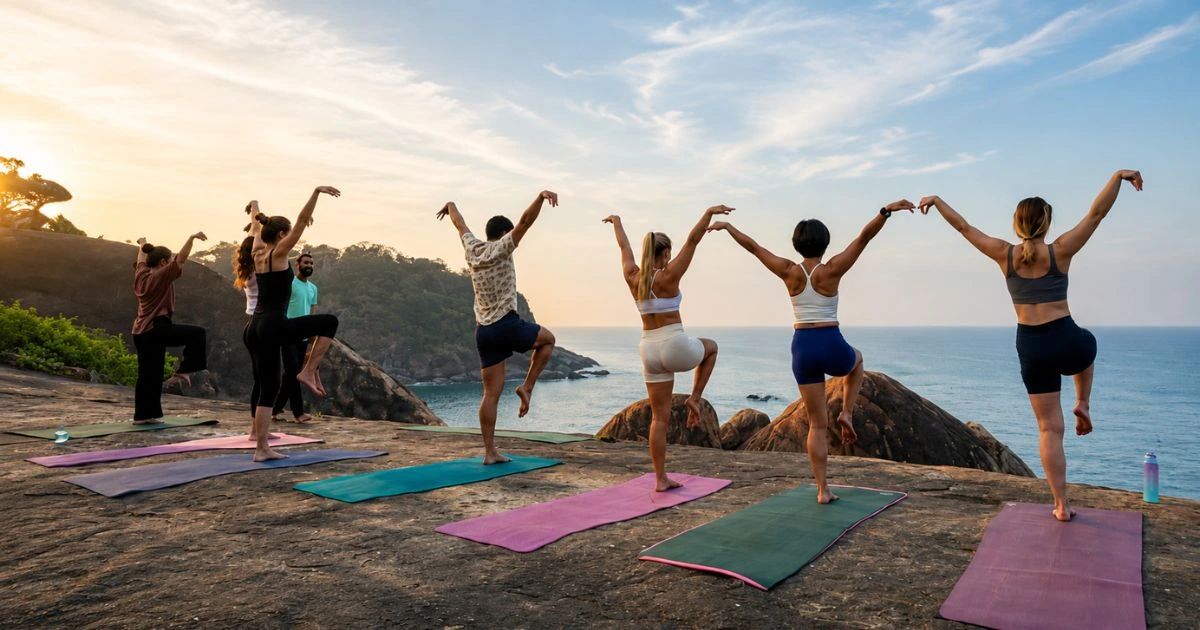
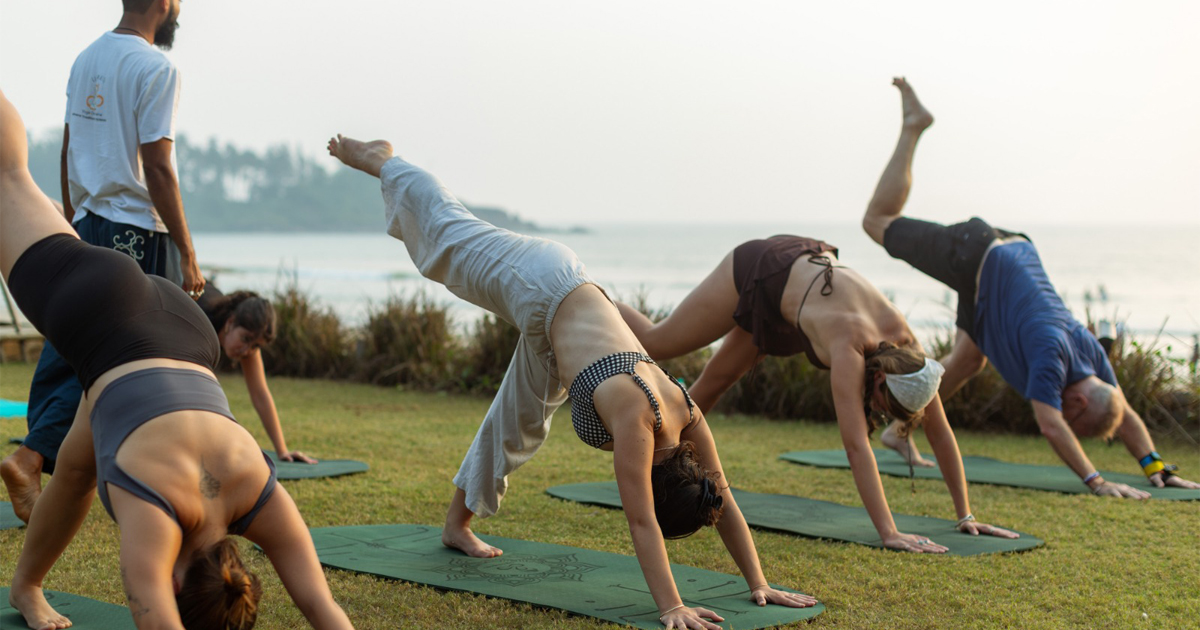
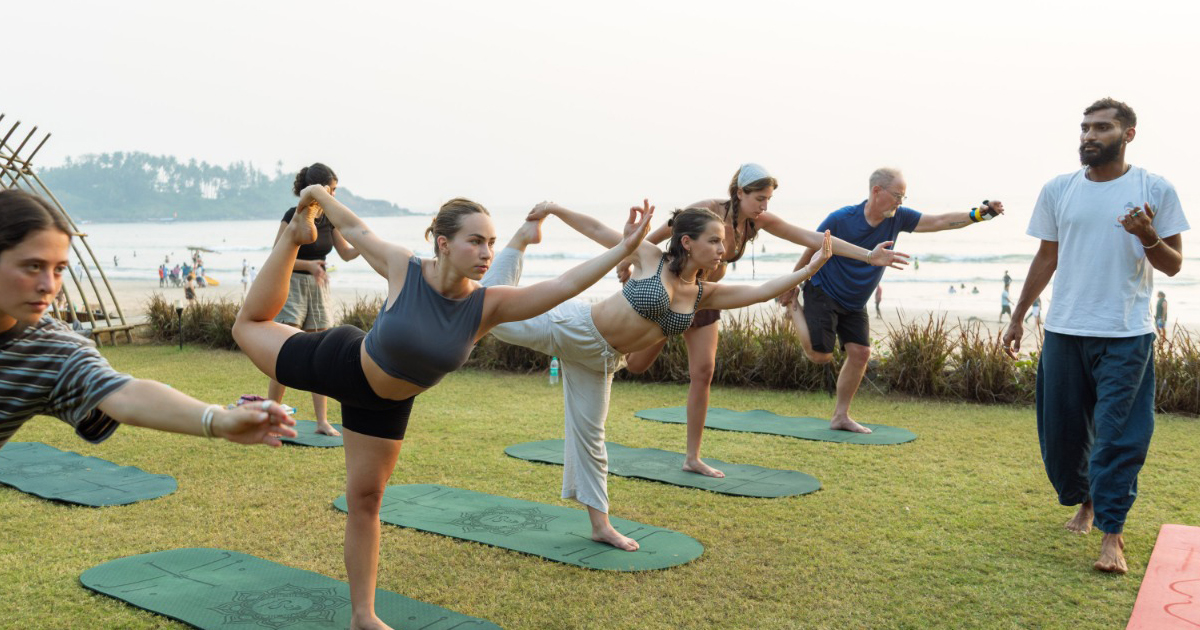
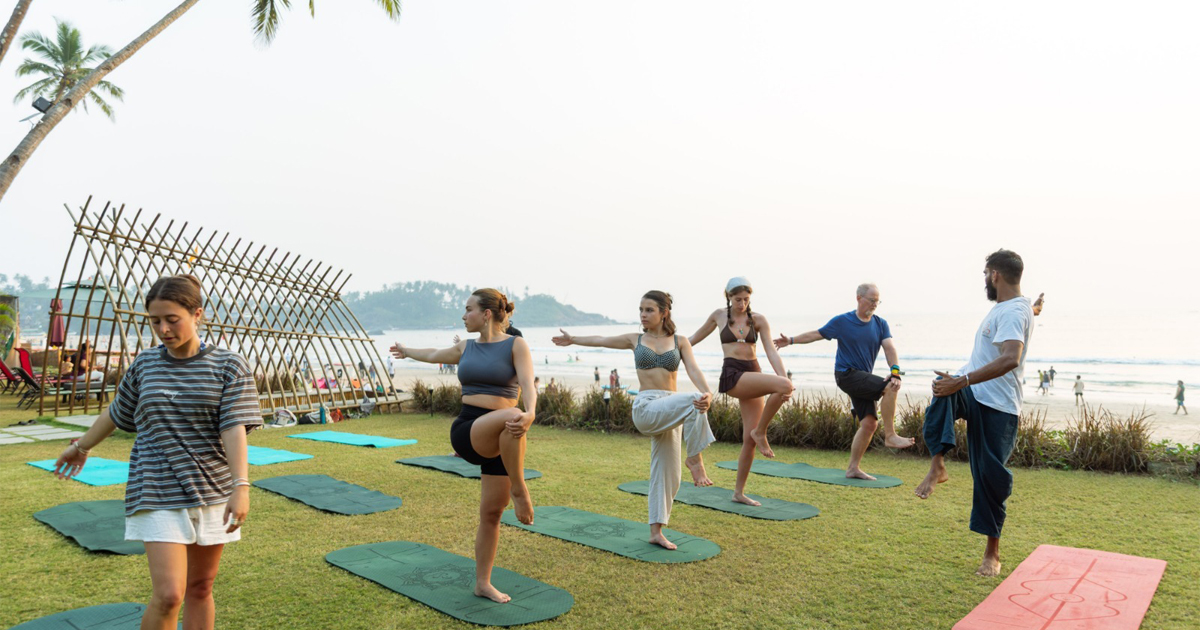
Students from different countries travel to Goa to study yoga in an environment that supports focus and self-reflection. The warm climate, coastal surroundings, and slower pace of life can create a suitable setting for immersive learning. Consequently, joining a 200 hours Yoga education program Goa allows participants to combine structured study with the experience of living close to nature.
Moreover, Goa’s international atmosphere gives students opportunities to connect with people from diverse cultural backgrounds. These connections often make the training experience more meaningful and create a supportive learning community.
Beyond Asanas: What Is a 200 Hours Yoga Education Program Goa?
A 200 hours Yoga education program Goa is a comprehensive foundational course designed to introduce students to different aspects of yoga. While daily physical practice forms an important part of the curriculum, the program generally extends far beyond performing yoga postures.
Students may explore asanas, pranayama, meditation, anatomy, philosophy, alignment, teaching methodology, and other essential areas of yoga education. Therefore, the course can help participants understand both the practical and theoretical foundations of yoga.
Additionally, a structured program encourages students to develop consistency and discipline. Instead of attending occasional classes, participants follow an immersive routine that allows them to study, practice, reflect, and gradually build their understanding.
From First Pose to Stronger Practice: Who Can Join the Program?
One common misconception is that students must perform advanced postures before joining yoga teacher training. However, a foundational program is not simply about physical flexibility or mastering complicated asanas.
People with different levels of yoga experience may consider a 200 hours Yoga education program Goa, depending on the admission requirements of the school. Some students join because they want to teach, while others enroll because they want to deepen their personal knowledge and practice.
The program may be suitable for:
- Aspiring Yoga Teachers
- Regular Yoga Practitioners
- Wellness Professionals
- Fitness Enthusiasts
- People Interested in Yoga Philosophy
- Individuals Seeking Personal Growth
- Students Exploring Mindfulness and Meditation
- Practitioners Who Want Structured Yoga Education
Ultimately, a willingness to learn, practice consistently, and remain open to new experiences can be more valuable than advanced physical ability.
A Curriculum That Goes Deeper Than the Mat
A comprehensive yoga education program combines multiple subjects to help students develop a broader understanding of yoga. Each subject contributes to the participant’s personal practice and potential teaching skills.
Depending on the curriculum, students may study:
- Hatha Yoga
- Ashtanga Yoga
- Vinyasa Flow
- Yoga Asanas
- Alignment and Adjustments
- Pranayama
- Meditation
- Yoga Philosophy
- Yoga Anatomy and Physiology
- Teaching Methodology
- Class Sequencing
- Mantra Chanting
- Yoga Ethics
- Practical Teaching Sessions
Through these subjects, a 200 hours Yoga education program Goa can help students understand how movement, breath, philosophy, anatomy, and mindfulness connect within yoga practice.
Furthermore, the combination of theory and practical learning can prepare participants to approach yoga with greater awareness and responsibility.
Sunrise to Self-Study: A Day in the Life of a Yoga Student
An immersive yoga education program generally follows a structured daily routine. Although schedules vary, students often begin early in the morning and continue learning through practical and theoretical sessions throughout the day.
A typical schedule may include:
- Morning Meditation
- Pranayama Practice
- Asana Session
- Breakfast
- Yoga Philosophy
- Anatomy and Physiology
- Alignment Classes
- Teaching Methodology
- Practical Teaching
- Evening Practice
- Self-Study and Reflection
Following a consistent schedule during a 200 hours Yoga education program Goa can help students develop discipline and better time management. It also allows participants to experience yoga as part of everyday life rather than limiting it to a single exercise session.
Although intensive training can feel challenging at times, many students value the structure because it encourages them to stay committed to their learning journey.
Breathing Beyond the Ordinary: The Importance of Pranayama and Meditation
Physical postures are only one part of yoga. Breath awareness and meditation also play important roles in traditional yogic practices.
During a 200 hours Yoga education program Goa, students may learn different pranayama techniques and explore how conscious breathing relates to concentration, awareness, and yoga practice. Under appropriate guidance, students can gradually develop a more mindful relationship with their breath.
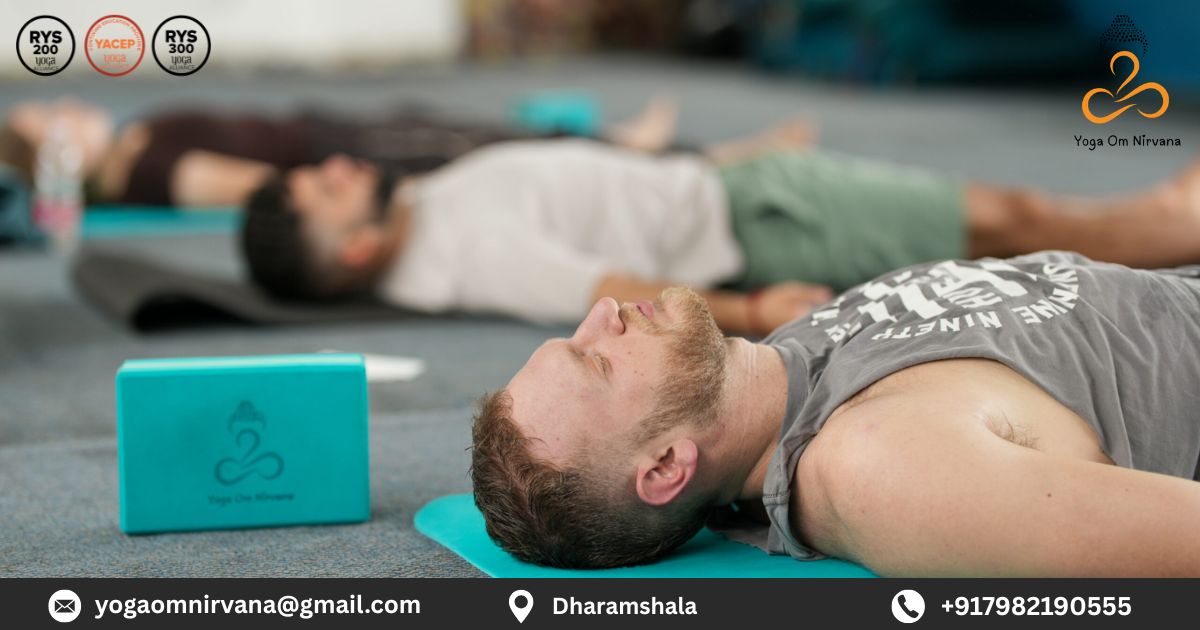
Meditation sessions can also encourage students to observe thoughts and develop greater awareness. With consistent practice, participants may begin to understand why yoga education extends far beyond physical flexibility.
Together, asana, pranayama, and meditation can create a more complete and balanced learning experience.
Ancient Wisdom for Modern Lives: Exploring Yoga Philosophy
Yoga philosophy introduces students to ideas and principles that have influenced yoga traditions for centuries. These teachings can encourage participants to think more deeply about discipline, awareness, behavior, and personal responsibility.
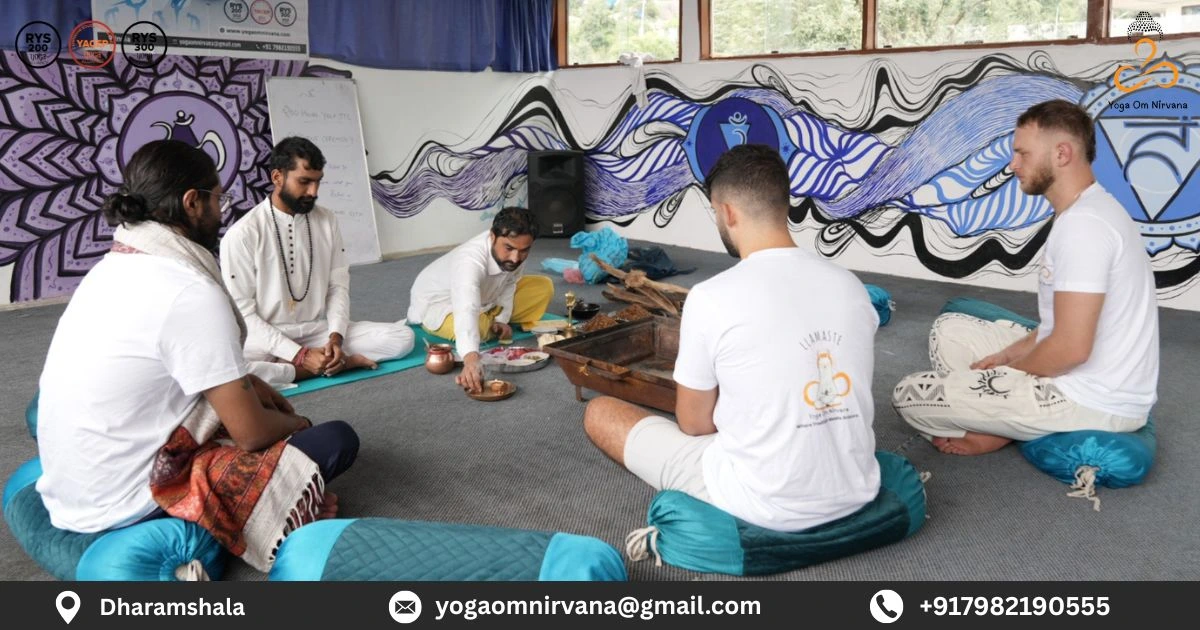
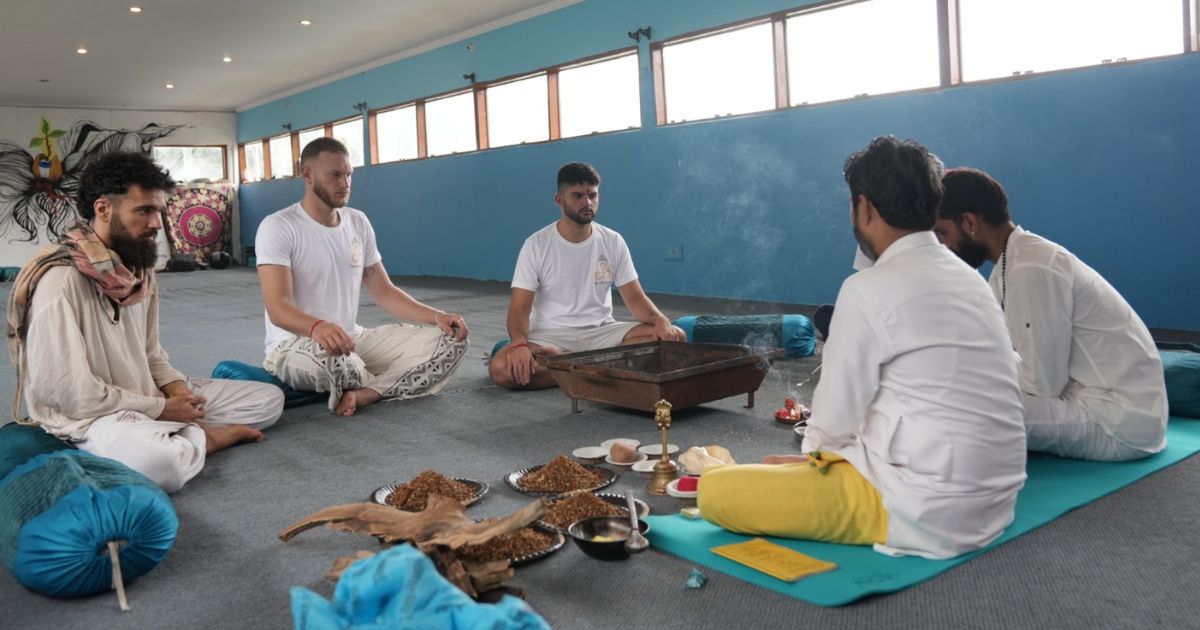
Students in a 200 hours Yoga education program Goa may explore texts and concepts associated with traditional yoga philosophy. Depending on the curriculum, discussions may include the Yoga Sutras of Patanjali, the Eight Limbs of Yoga, yogic ethics, and other foundational topics.
More importantly, philosophy classes can help students consider how yogic principles relate to modern life. Rather than treating philosophy as a purely academic subject, participants can explore ways to apply relevant teachings to their daily routines and relationships.
Anatomy Meets Awareness: Understanding the Body Behind Every Pose
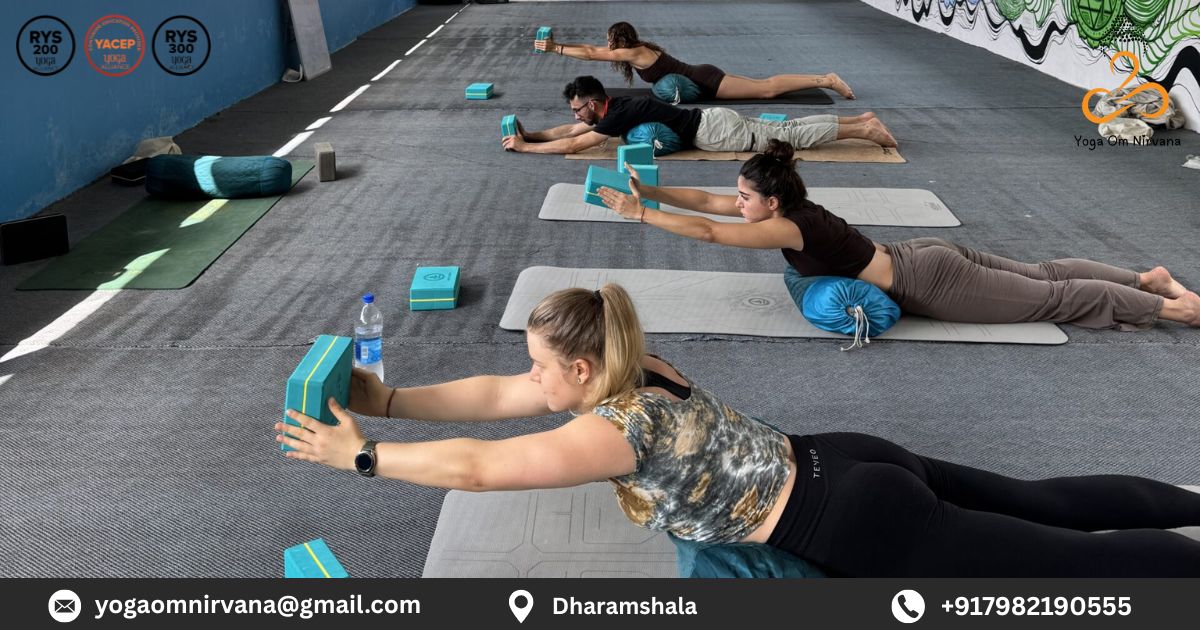
Learning how the body moves is an important part of responsible yoga education. Students need to understand that every individual has different physical abilities, proportions, limitations, and experiences.
Therefore, yoga anatomy and physiology often form an important part of a 200 hours Yoga education program Goa. Students may explore basic anatomical concepts, movement principles, joints, muscles, and other topics relevant to yoga practice.
This knowledge can help future teachers approach asanas more thoughtfully. Instead of assuming that every student should perform a posture in exactly the same way, they can develop a greater appreciation for individual differences and appropriate modifications.
Finding Your Teaching Voice: From Student to Yoga Instructor
Knowing how to practice yoga and knowing how to teach yoga are different skills. A teacher needs to communicate clearly, plan classes, manage time, observe students, and create an appropriate learning environment.
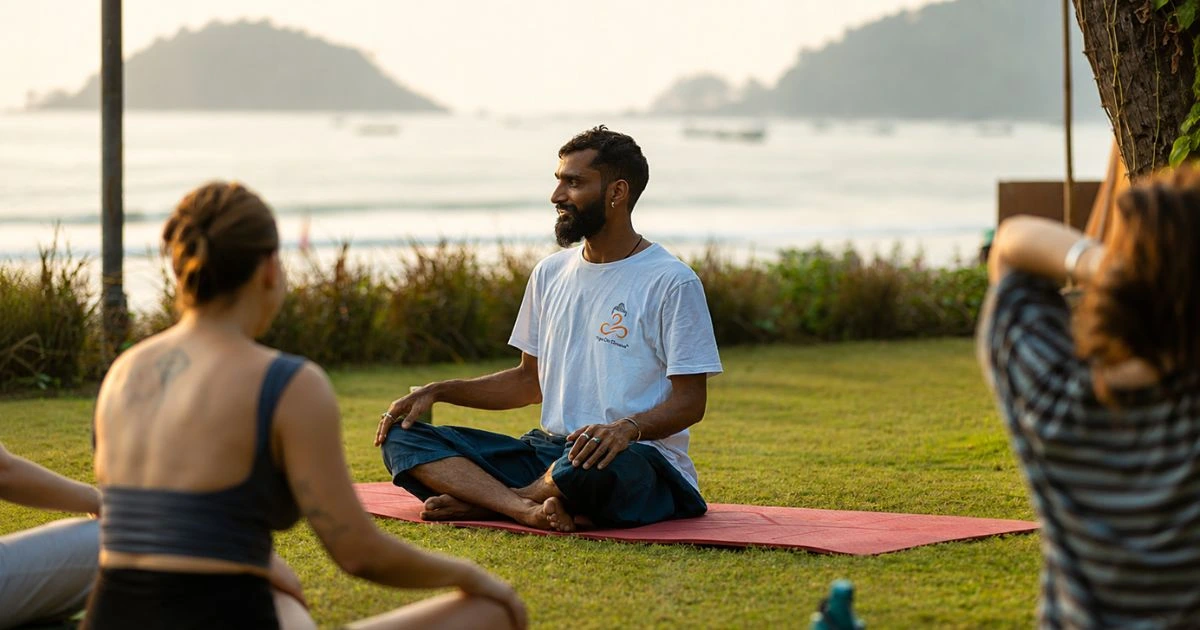
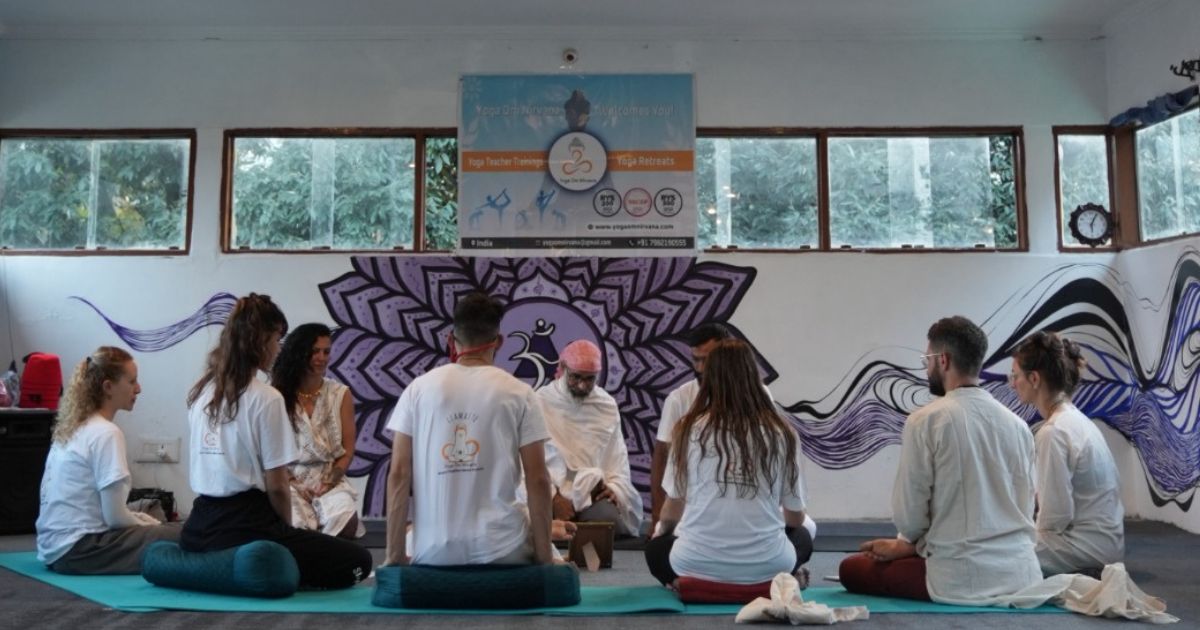
Teaching methodology helps participants begin developing these skills. During a 200 hours Yoga education program Goa, students may practice giving instructions, planning sequences, demonstrating postures, and leading sections of a class.
Initially, teaching in front of others may feel uncomfortable. However, practical sessions and constructive feedback can gradually help participants develop greater confidence.
By the end of the course, students can have a clearer understanding of their individual teaching style and the areas where they want to continue improving.
The Personal Transformation Nobody Can Put on a Certificate
Many people join yoga education programs because they want professional qualifications. However, the personal learning experience can become equally significant.
Following a structured routine, practicing regularly, studying philosophy, and spending time in self-reflection can encourage students to examine their habits and priorities. Consequently, participants may develop greater self-awareness during the training process.
A 200 hours Yoga education program Goa can also challenge students physically and mentally. Learning how to respond to these challenges with patience and consistency can become an important part of the overall experience.
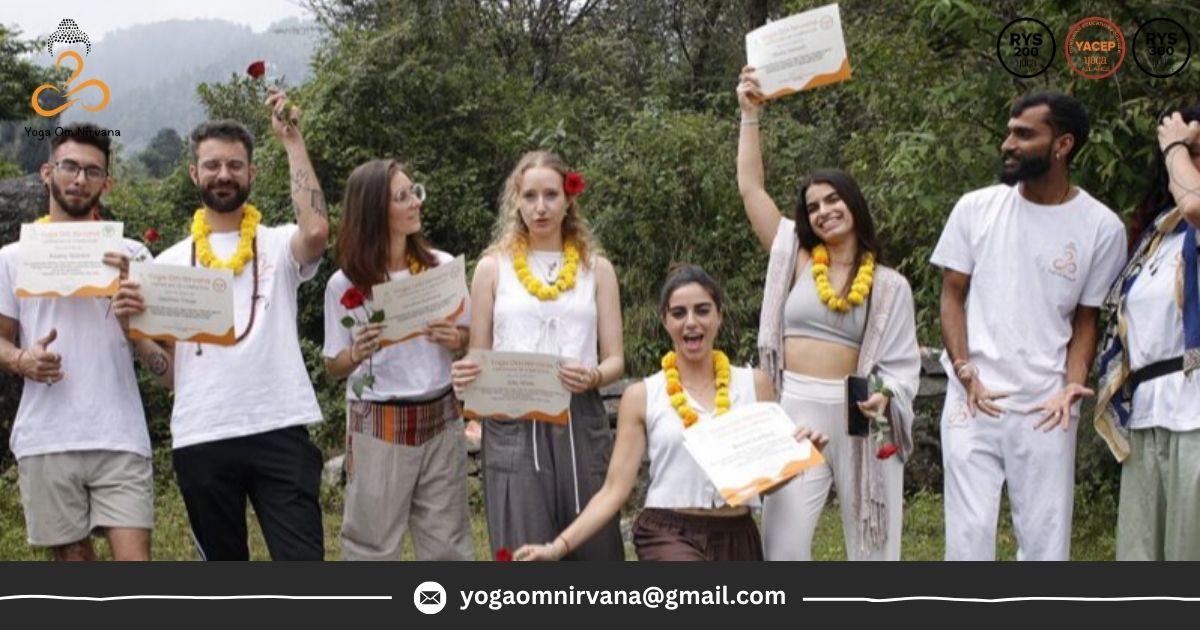
While every student’s journey is different, the opportunity for personal learning often extends beyond the final day of training.
Yoga, Community, and Connections That Cross Borders
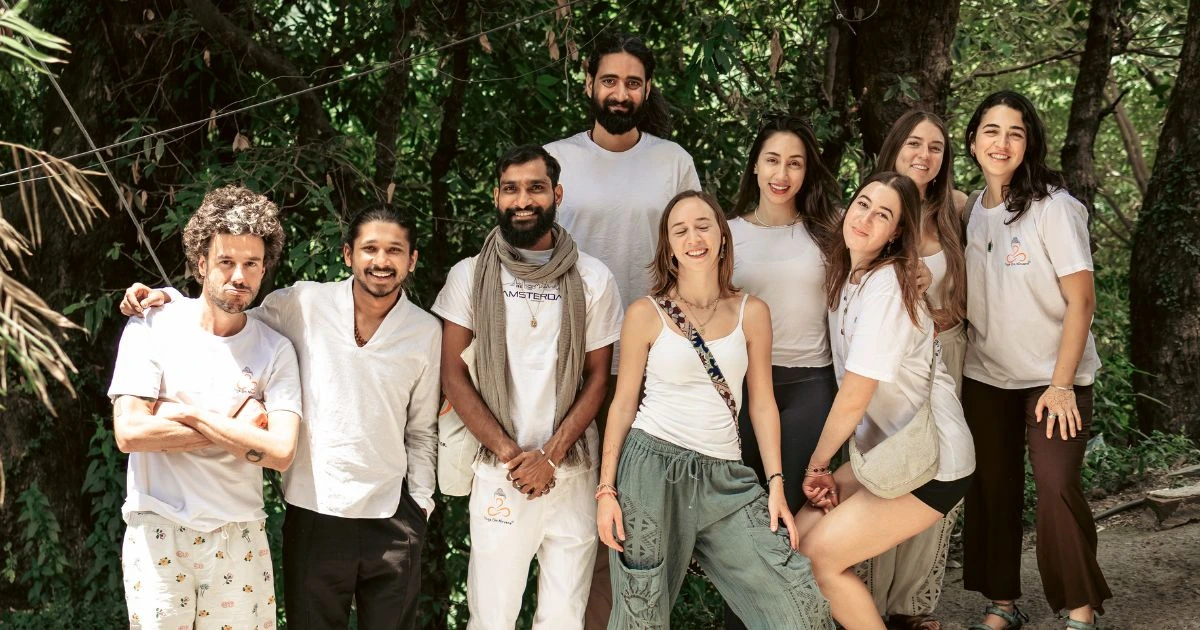
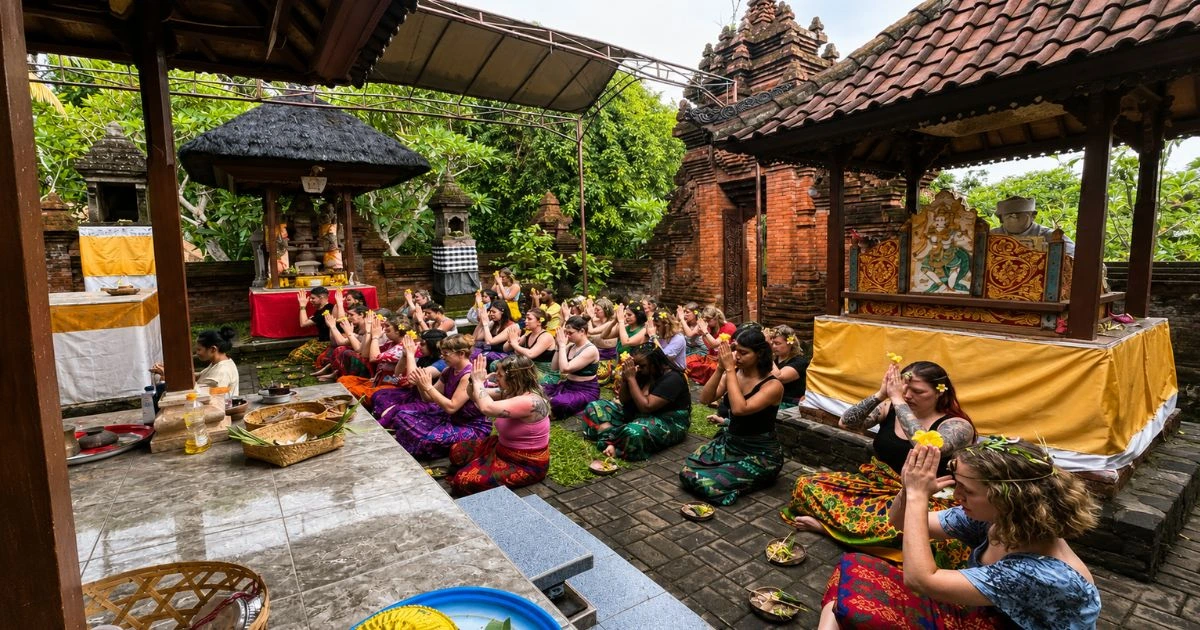
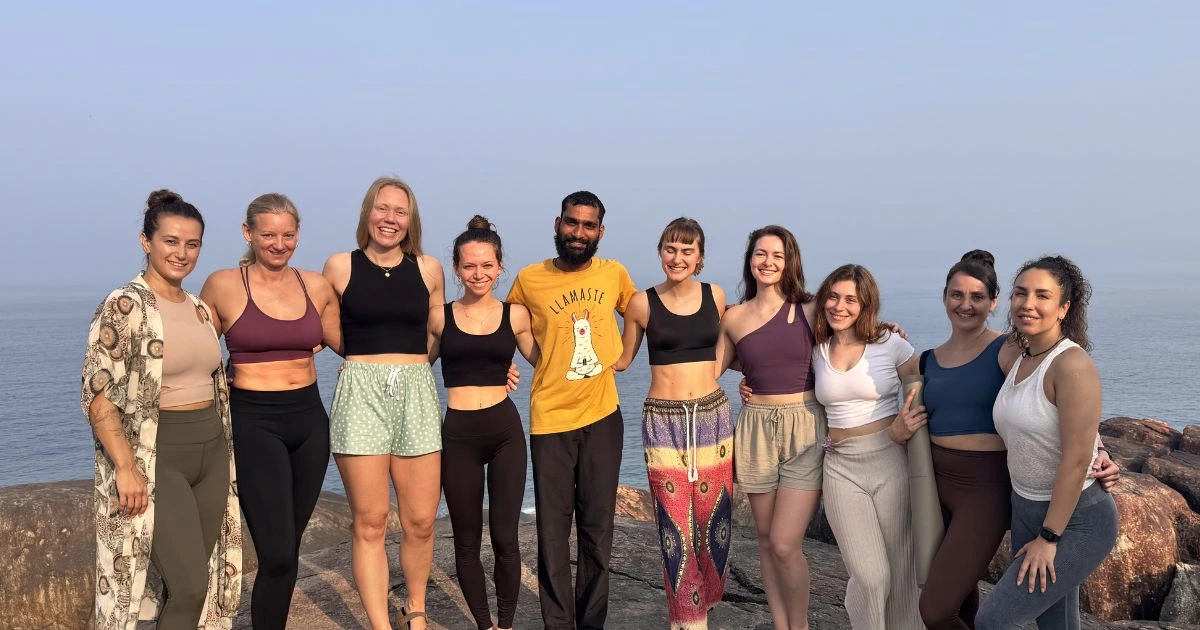
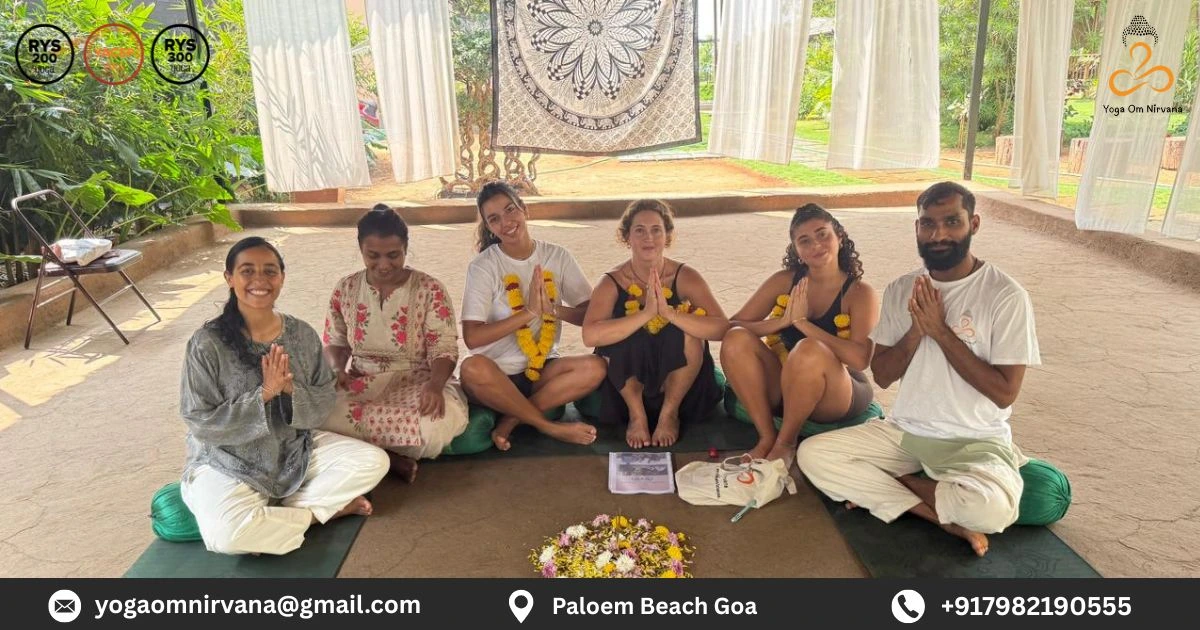
One of the most memorable aspects of an international yoga program is the community. Students may arrive from different countries, cultures, and professional backgrounds, yet they share the same learning environment.
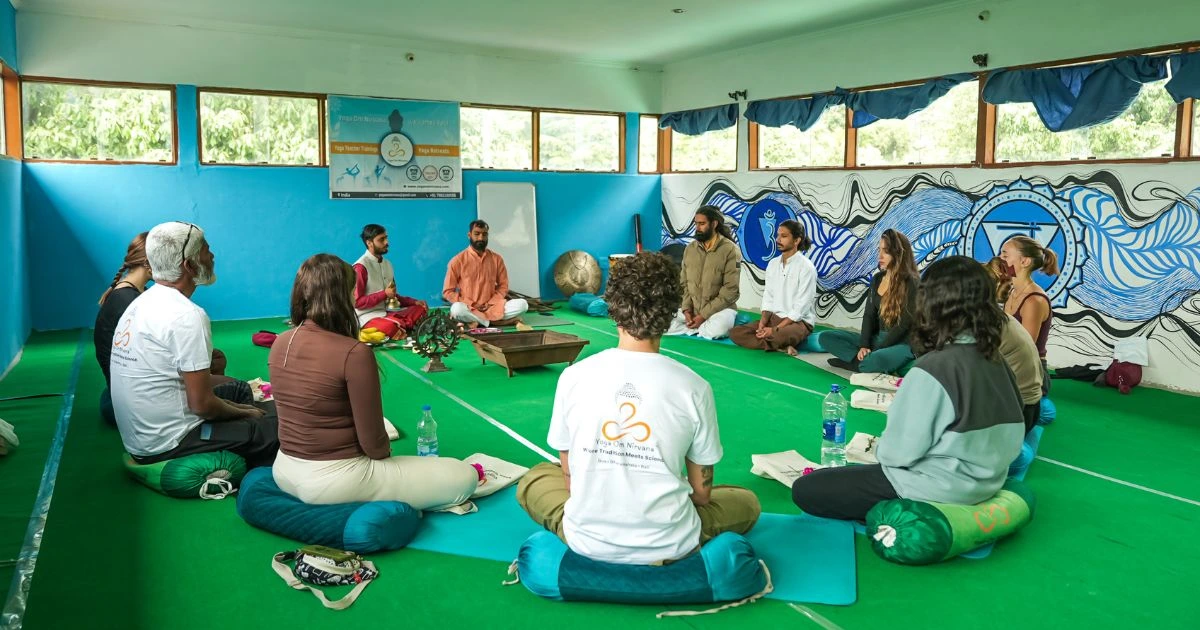
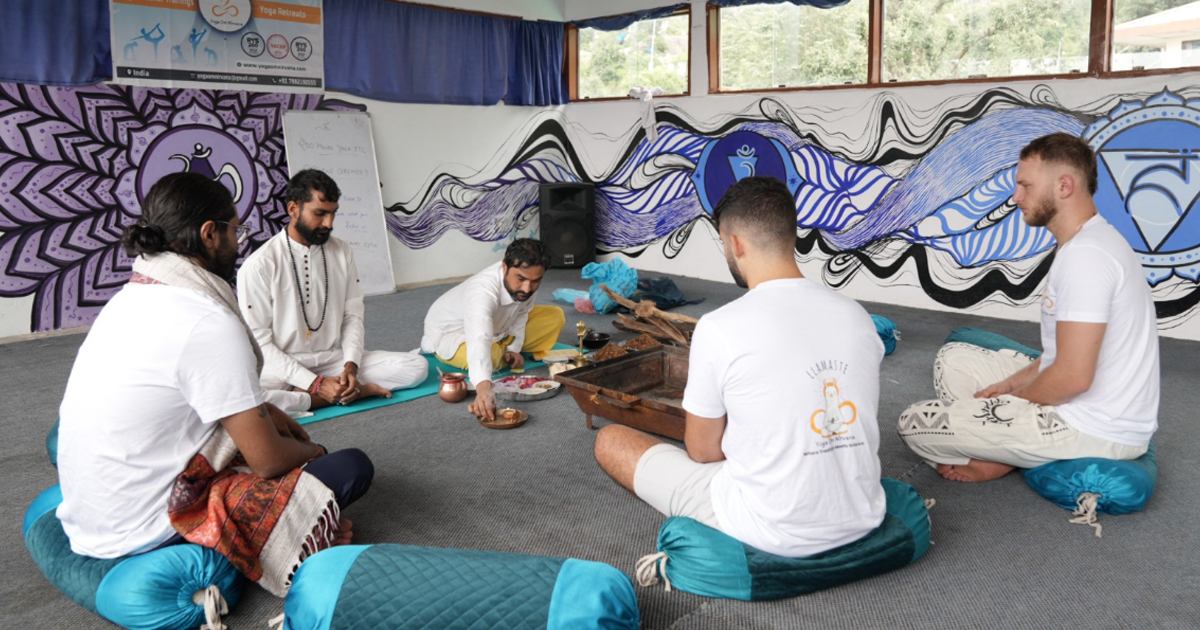
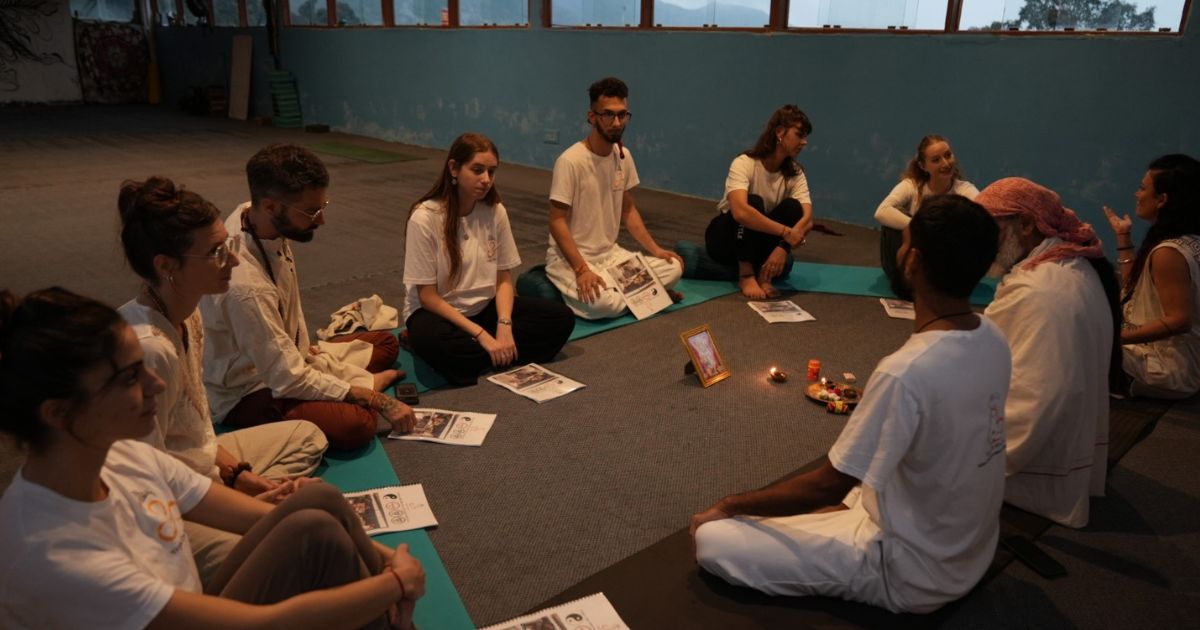
During a 200 hours Yoga education program Goa, participants practice together, attend classes, share meals, discuss ideas, and support one another through the challenges of intensive study.
These interactions can create meaningful connections and expose students to different perspectives. Moreover, learning within an international community can help future teachers become more comfortable communicating with people from diverse backgrounds.
What Can You Do After Completing 200 Hours of Yoga Education?
After completing the program, students may choose different paths depending on their personal and professional goals. Some want to begin teaching, while others continue developing their own practice.
Potential paths may include:
- Teaching Yoga Classes
- Offering Private Sessions
- Working with Yoga Studios
- Conducting Online Classes
- Joining Wellness Retreats
- Continuing Advanced Yoga Education
- Organizing Workshops
- Deepening Personal Practice
However, completing a 200 hours Yoga education program Goa should be viewed as the beginning of continued learning rather than the end of yoga education.
Experienced teachers continue studying, practicing, attending workshops, and developing their understanding throughout their careers.
Why Choose Yoga Om Nirvana for Your Yoga Education Journey?
Yoga Om Nirvana offers an immersive environment where students can explore yoga through structured education, regular practice, and community learning in Goa.
The program is designed to help students develop their understanding of yoga asanas, pranayama, meditation, philosophy, anatomy, alignment, and teaching methodology. Through a combination of practical and theoretical sessions, participants can build a stronger foundation for their future journey.
At Yoga Om Nirvana, students can experience:
- Multi-Style Yoga Education
- Hatha Yoga Practice
- Ashtanga Yoga
- Vinyasa Flow
- Pranayama Sessions
- Meditation Practice
- Yoga Philosophy
- Anatomy Education
- Alignment and Adjustment Classes
- Teaching Methodology
- Practical Teaching Experience
- Supportive Learning Environment
- International Yoga Community
- Goa’s Natural Coastal Surroundings
For students searching for a 200 hours Yoga education program Goa, Yoga Om Nirvana provides an opportunity to learn, practice, and experience yoga in an immersive environment.
Your Journey Does Not End at 200 Hours
A 200-hour program provides foundational education, but yoga is a lifelong learning process. There will always be new concepts to explore, practices to refine, and experiences to understand.
After completing a 200 hours Yoga education program Goa, students can continue developing through personal practice, advanced training, workshops, self-study, and teaching experience.
The most valuable approach is to remain curious and committed. A certificate may recognize the completion of a course, but consistent learning and practice shape the journey that follows.
Conclusion: Your Next Chapter Could Begin in Goa
Choosing to join a yoga education program is a significant personal and professional decision. It requires time, commitment, discipline, and a genuine willingness to learn.
A 200 hours Yoga education program Goa provides an opportunity to step away from daily distractions and immerse yourself in asanas, pranayama, meditation, philosophy, anatomy, and teaching methodology.
At Yoga Om Nirvana, students can explore traditional yoga practices while learning within a supportive international community surrounded by Goa’s natural beauty.
Whether you dream of becoming a yoga teacher or simply want to understand yoga beyond the physical practice, your 200-hour journey can become the foundation for many years of continued learning and personal growth.
Frequently Asked Questions
1. What is a 200 hours Yoga education program Goa?
A 200 hours Yoga education program Goa is a foundational yoga course that may cover asanas, pranayama, meditation, yoga philosophy, anatomy, alignment, and teaching methodology.
2. Who can join a 200-hour yoga education program?
Admission requirements vary between schools. Depending on the program, aspiring teachers, regular practitioners, and people seeking deeper yoga knowledge may be eligible to join.
3. Do I need to be highly flexible before joining?
No. Advanced flexibility is not necessarily required. A willingness to learn, practice consistently, and participate actively is important.
4. What styles of yoga can I learn at Yoga Om Nirvana?
The multi-style training may include Hatha Yoga, Ashtanga Yoga, and Vinyasa Flow alongside other foundational yoga subjects.
5. What subjects are covered during the program?
Subjects may include asanas, pranayama, meditation, philosophy, anatomy, alignment, adjustments, teaching methodology, and practical teaching.
6. Why should I choose Goa for yoga education?
Goa offers coastal surroundings, an international community, and an environment that can support immersive yoga study and practice.
7. Can I teach yoga after completing a 200-hour program?
Graduates may pursue teaching opportunities depending on their certification, competence, experience, and applicable professional or local requirements.
8. Why choose Yoga Om Nirvana?
Yoga Om Nirvana provides structured multi-style yoga education, practical and theoretical learning, experienced guidance, and an immersive environment in Goa.
https://www.facebook.com/p/Yoga-Om-Nirvana-61560466667204