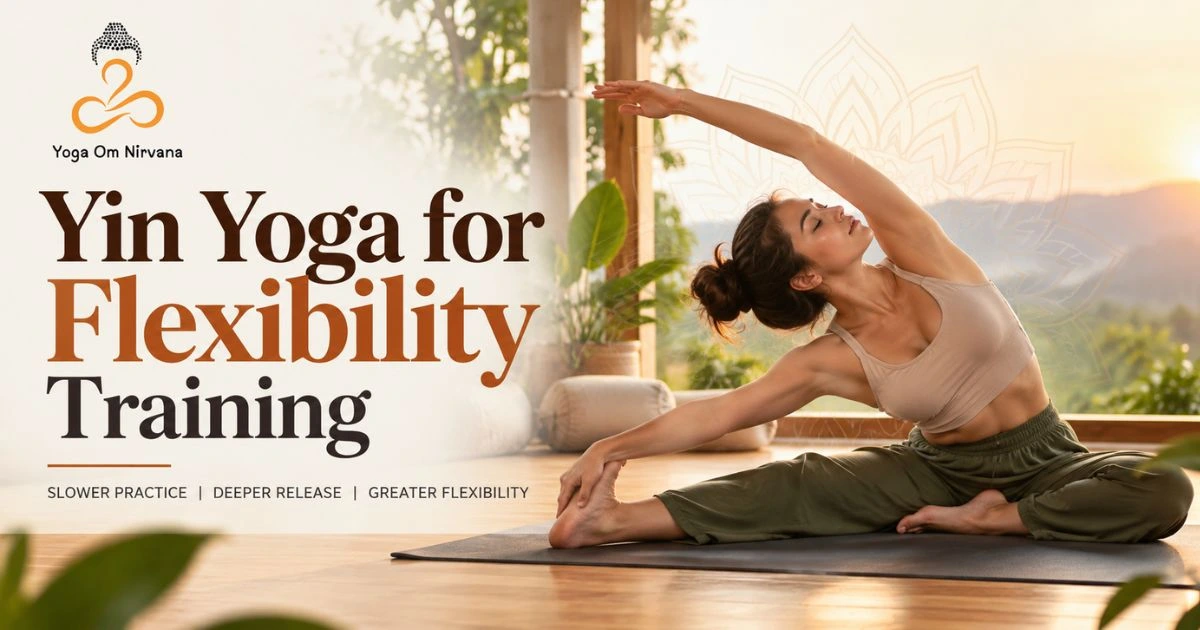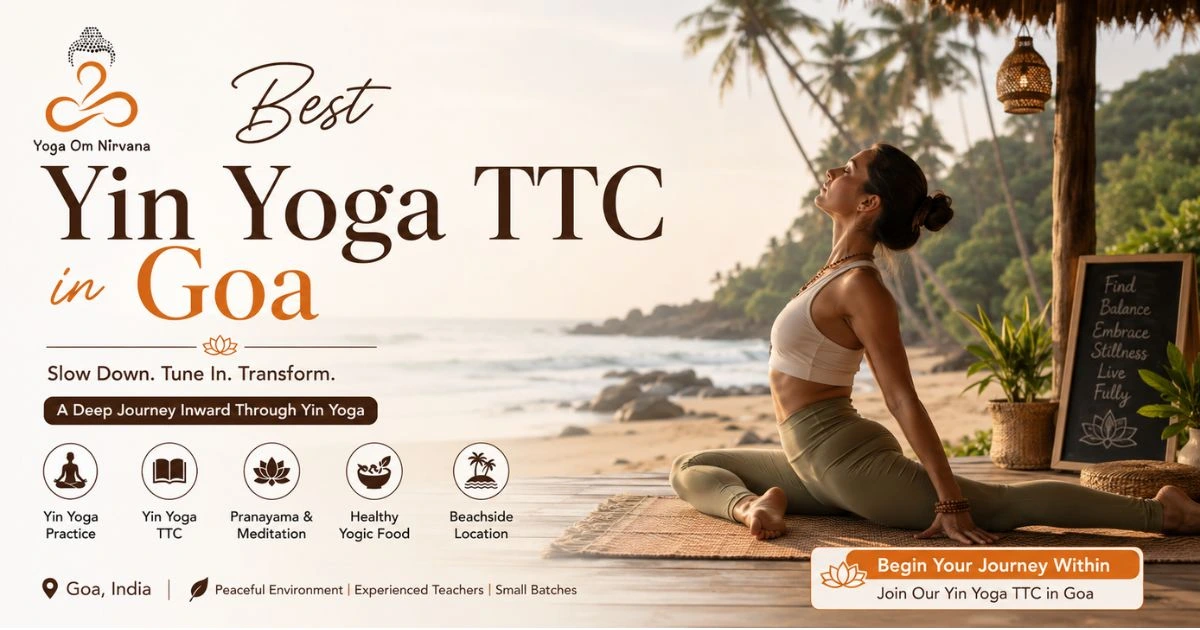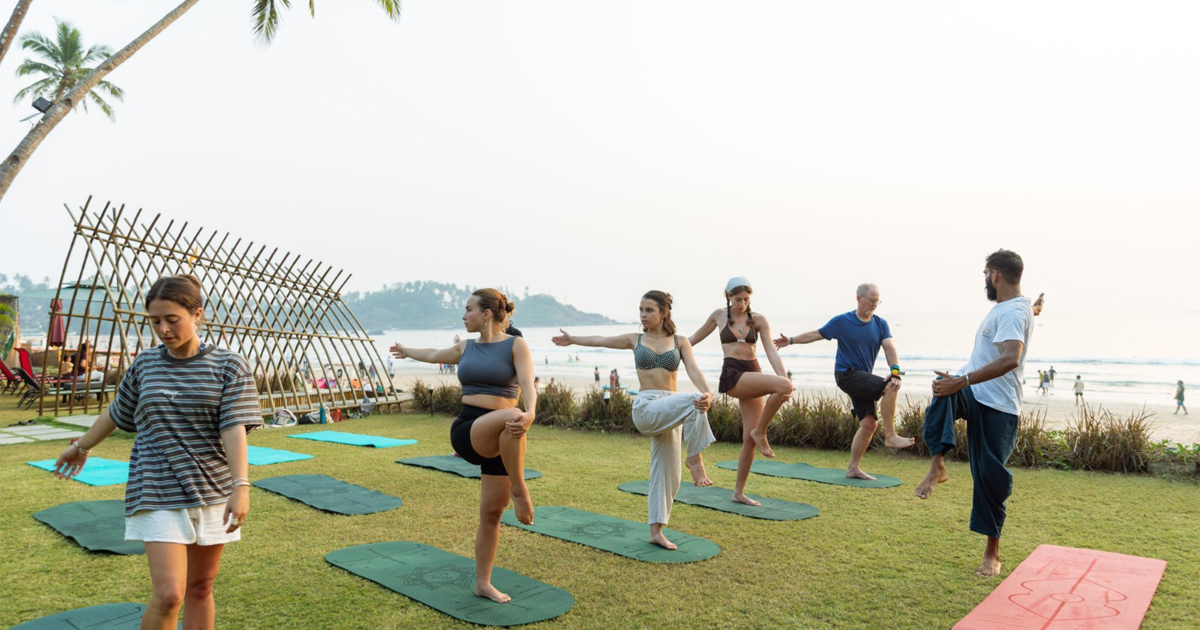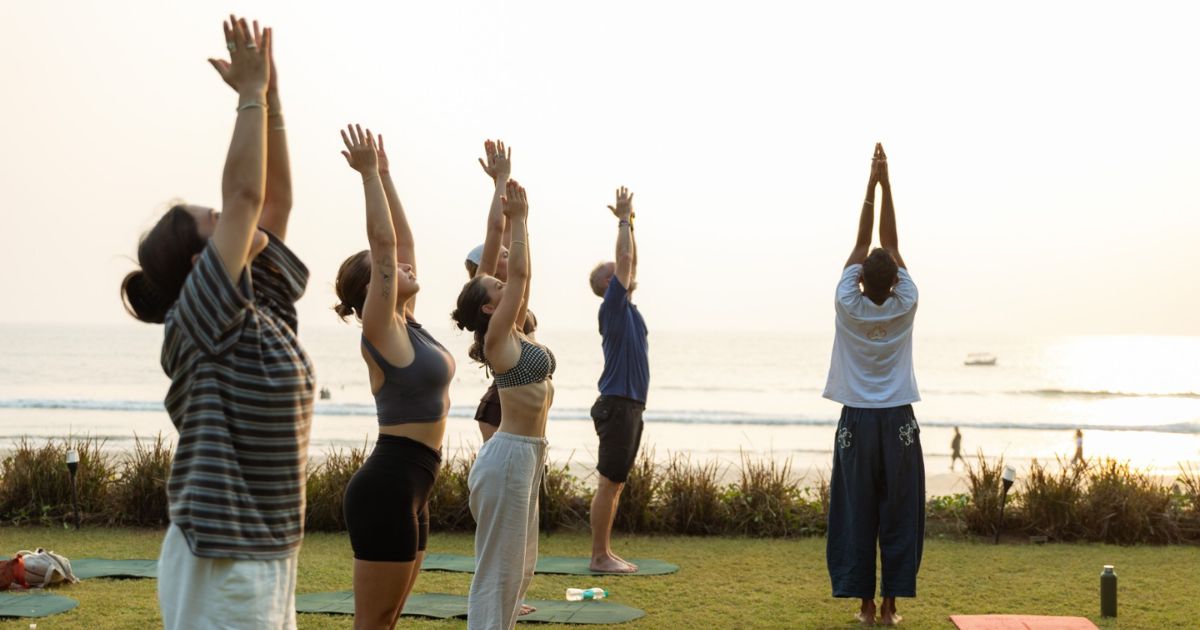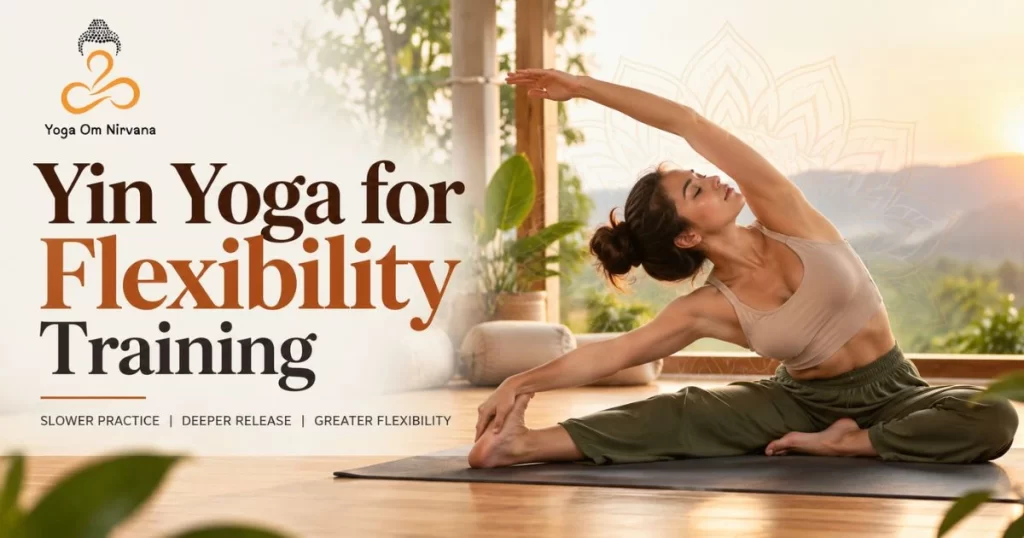
Flexibility is not just about touching your toes or performing impressive yoga poses. It also involves moving comfortably, maintaining healthy movement patterns, and developing a better connection between your body and mind. However, many people struggle with stiffness because they spend long hours sitting, follow intense workout routines, or rarely make time for mindful stretching. This is where Yin Yoga for Flexibility Training offers a refreshing approach.
Unlike fast-paced yoga styles that link movement with breath, Yin Yoga focuses on slow, mostly seated or lying postures held for several minutes. This practice encourages you to explore your comfortable range of motion while remaining relaxed and attentive. Instead of forcing your body into a deeper stretch, you learn to work patiently with its natural limits.
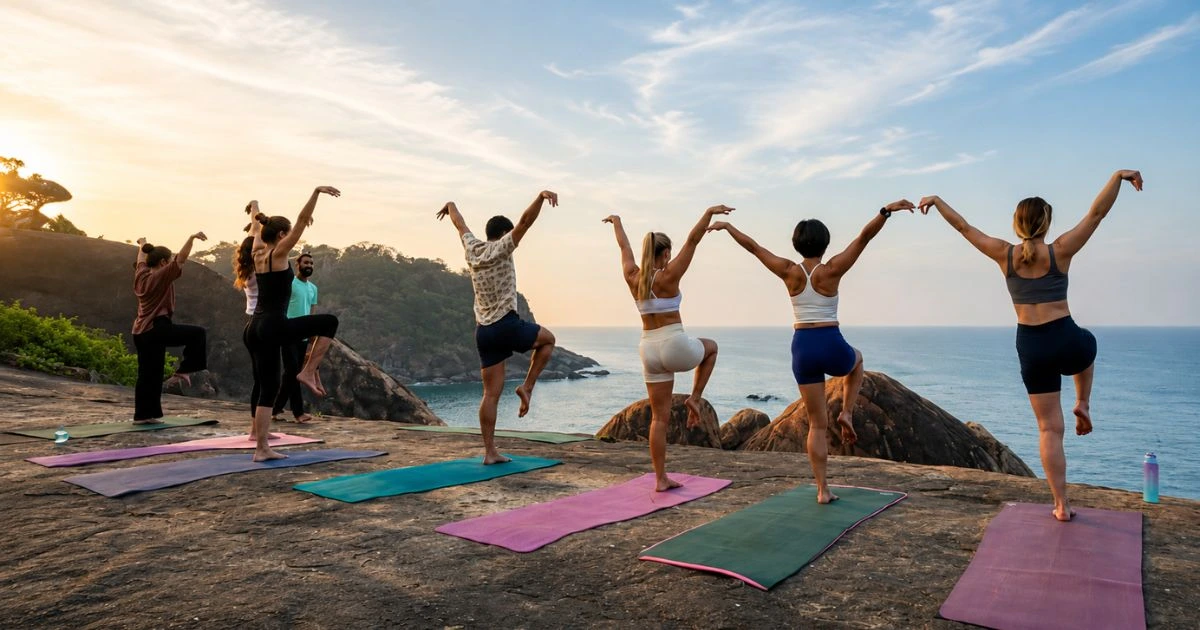
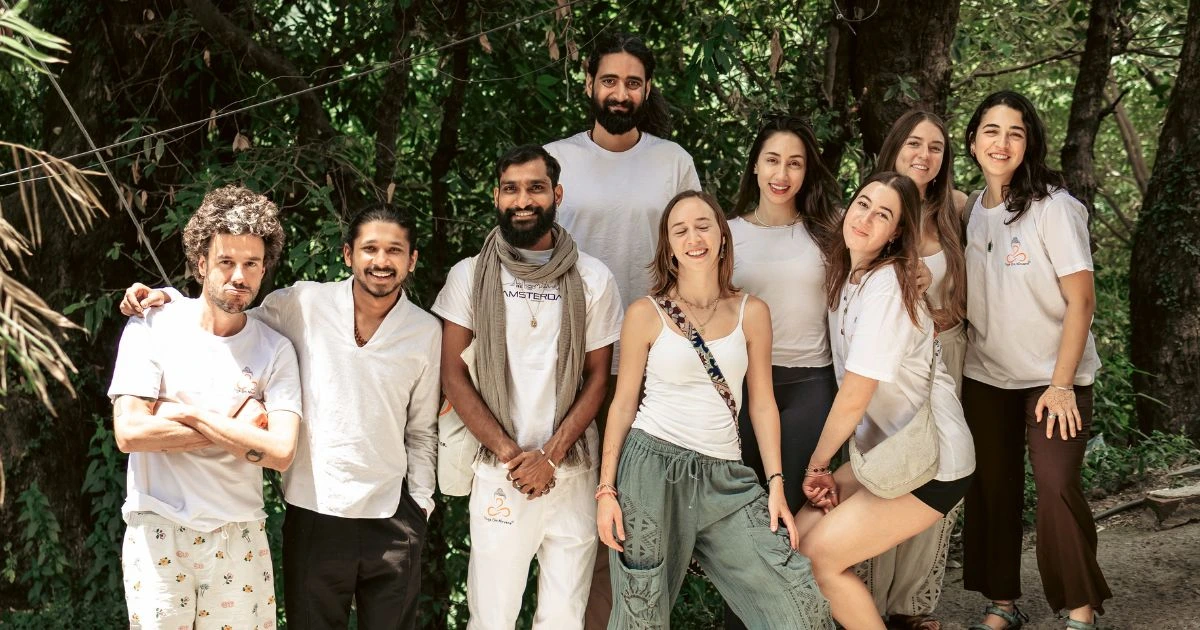
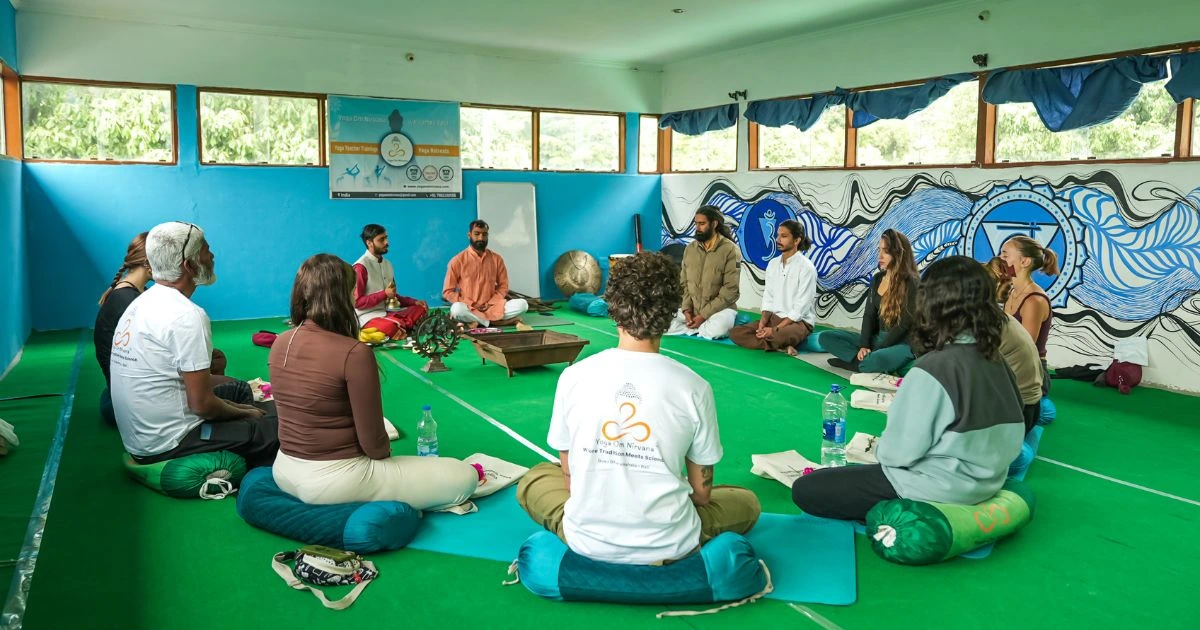
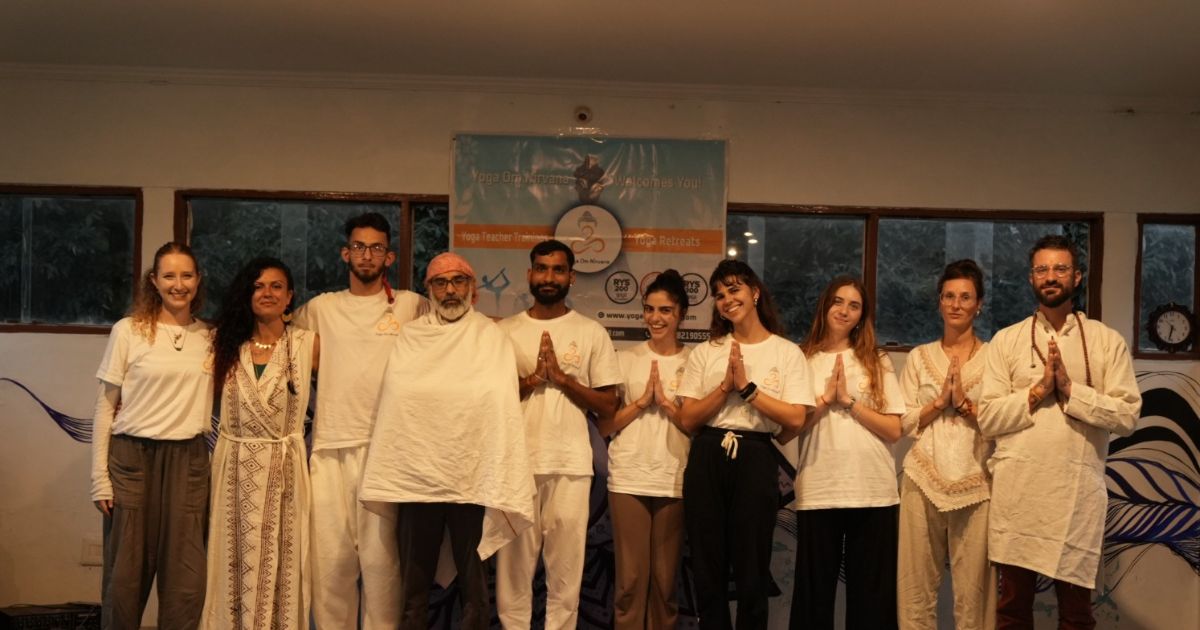
At Yoga Om Nirvana, Yin Yoga can be an excellent practice for people who want to explore flexibility, mindful movement, and relaxation. Whether you are a beginner, an experienced yoga practitioner, or a fitness enthusiast looking for a slower routine, Yin Yoga offers an opportunity to move with greater awareness and patience.
What Is Yin Yoga? Understanding the Art of Slow Stretching
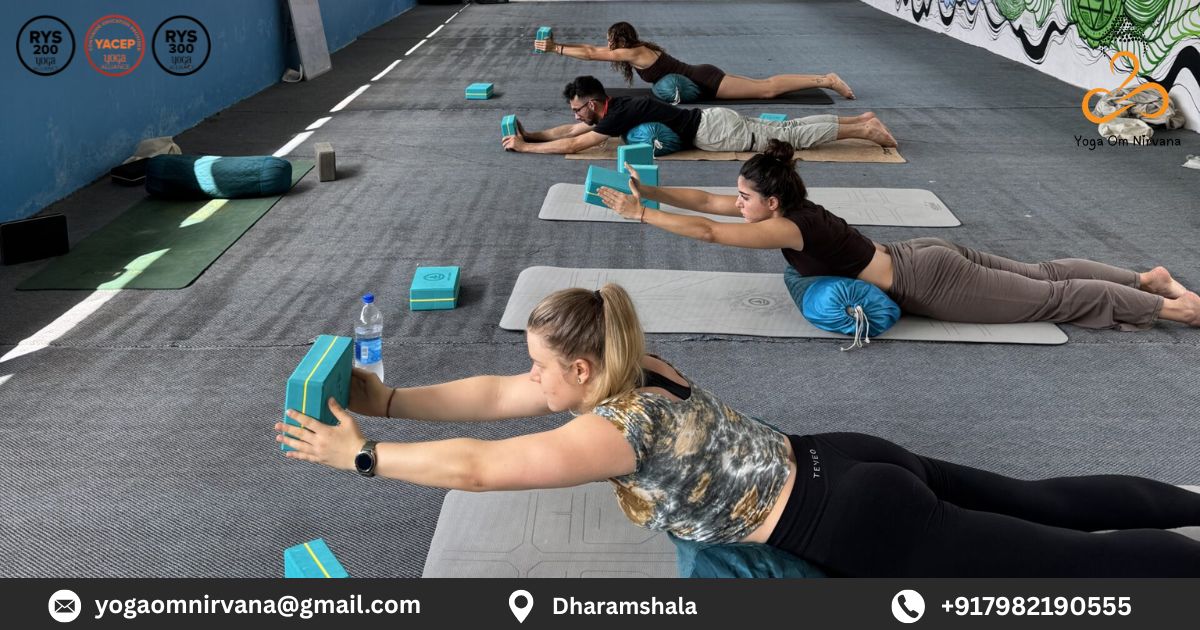
Yin Yoga is a slower style of yoga that emphasizes passive, sustained postures. Practitioners typically use props such as bolsters, cushions, and blocks to support the body while holding a comfortable position for an extended period. The practice generally targets areas around the hips, pelvis, spine, and legs, although the precise sensations depend on the posture and individual anatomy.
Unlike dynamic yoga practices, Yin Yoga minimizes muscular effort where appropriate. This allows practitioners to pay closer attention to sensations, breathing, and the body’s response to each posture. Nevertheless, Yin Yoga is not about remaining completely still at any cost. You should adjust your position whenever you experience sharp pain, numbness, tingling, or excessive discomfort.
Another important aspect of Yin Yoga is its emphasis on individual differences. Two people can perform the same pose and experience completely different sensations because their anatomy, mobility, and proportions vary. Therefore, the goal is not to copy someone else’s shape but to find a suitable position that supports your own practice.
How Yin Yoga for Flexibility Training Supports Better Mobility
Flexibility refers to the ability of muscles and other tissues to lengthen, while mobility describes how comfortably and effectively a joint moves through its available range of motion. Although these concepts are related, they are not identical. A balanced movement routine often includes both flexibility work and active strength training.
Yin Yoga for Flexibility Training encourages you to spend time exploring comfortable ranges of movement instead of repeatedly rushing through stretches. Sustained, gentle postures may help improve flexibility over time, particularly when practiced consistently and adapted to your body. Research suggests that regular stretching can improve range of motion, although results vary according to the person, technique, and training schedule.
Furthermore, the slow pace allows you to notice areas where you feel restricted. For example, you might discover that your hips feel stiff after a long day at a desk or that your hamstrings feel tight after exercise. By working with suitable postures and avoiding aggressive stretching, you can gradually develop a more comfortable relationship with movement.
The Best Yin Yoga Poses for Flexibility Training
A thoughtfully selected Yin Yoga sequence can address different areas of the body. Instead of performing every available pose, begin with a few postures that match your current mobility and experience. Use cushions or blocks whenever they help you maintain a relaxed and comfortable position.
Consider these beginner-friendly options:
- Butterfly Pose: Sit with the soles of your feet together and allow your knees to move outward naturally. Fold forward only as far as feels comfortable. This pose can explore movement around the inner thighs and hips.
- Caterpillar Pose: Sit with your legs extended and gently hinge forward from the hips. Keep your knees slightly bent if needed. This posture explores the back of the legs and the posterior body.
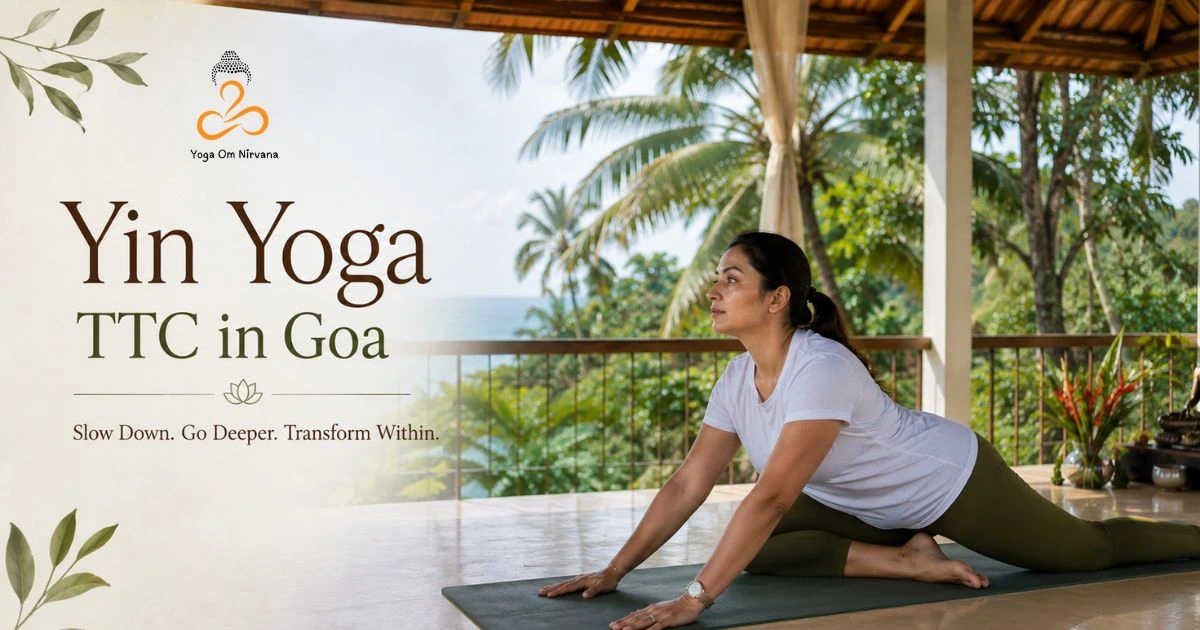
- Supported Dragon Pose: From a low lunge, support your hands on blocks or rest a knee on a folded blanket. Adjust the depth to avoid uncomfortable pressure on the front knee.
- Sphinx Pose: Lie on your stomach and support your upper body on your forearms. Keep the position gentle and stop if it creates discomfort in your lower back.
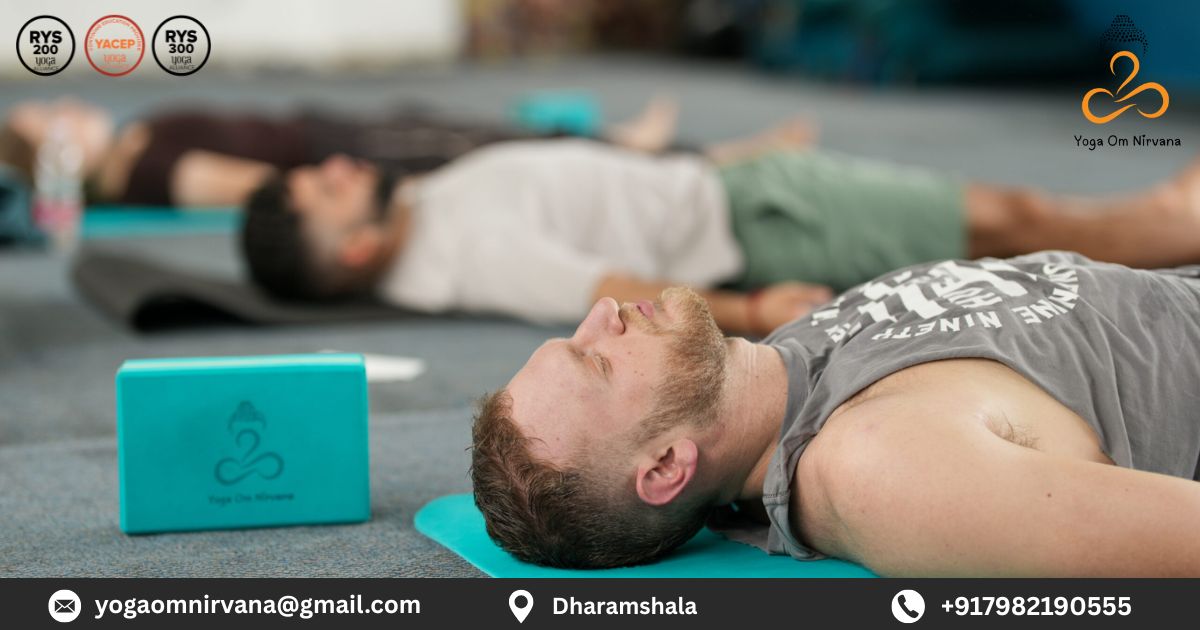
- Reclined Butterfly Pose: Lie on your back, bring the soles of your feet together, and support your thighs with cushions if necessary. This restorative variation allows you to explore a comfortable hip-opening position.
Remember that every pose should suit your body. You do not need to achieve a deep stretch to benefit from mindful practice, and some postures may not be appropriate for everyone.
Common Yin Yoga Mistakes That Can Limit Your Progress
One common mistake is pushing too deeply into a posture because you believe flexibility depends on how far you can stretch. In reality, forcing a position may increase discomfort and make it harder to maintain a sustainable routine. Start with a manageable range of motion, use props, and change the position whenever necessary.
Another mistake is assuming that every pose must be held for five minutes or longer. Longer holds are not automatically more effective, particularly for beginners or people with sensitive joints. Start with shorter durations and extend them only when your body responds comfortably. It is equally important to move slowly when leaving a posture, especially after a prolonged hold.
Finally, some practitioners rely exclusively on passive stretching while neglecting strength and balance. However, useful mobility involves both available movement and the ability to control that movement. Combine Yin Yoga with appropriate strength exercises, regular walking, and other activities that support your individual goals. Consistency and sensible progression matter more than achieving an impressive pose quickly.
Experience Yin Yoga Training With Yoga Om Nirvana
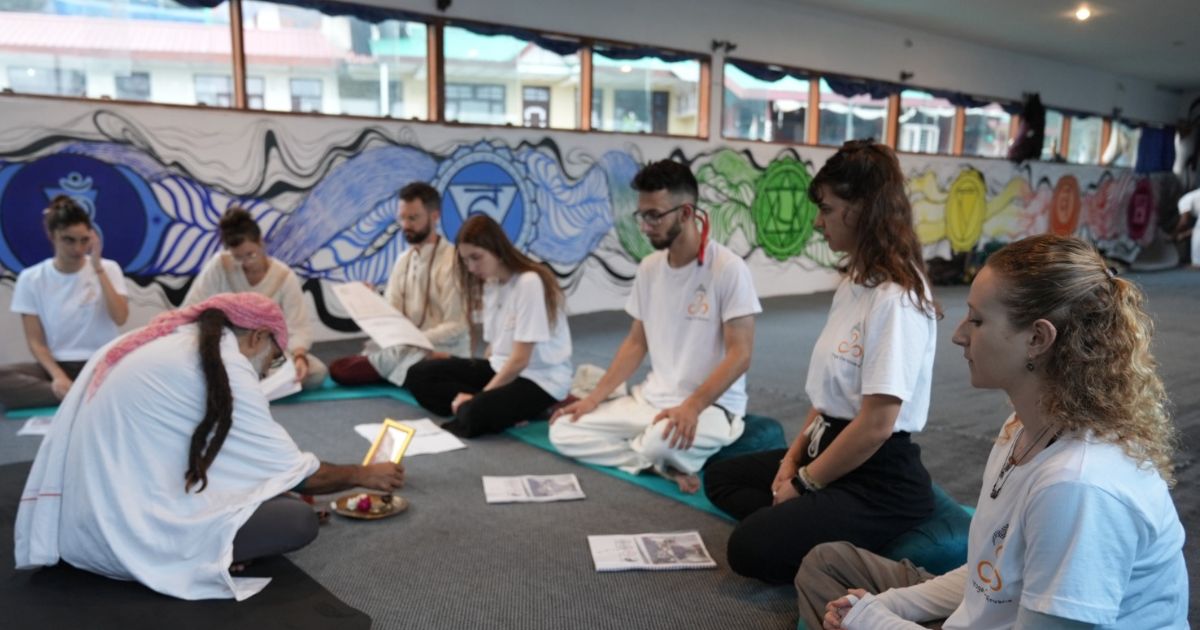
If you want to explore Yin Yoga beyond a home routine, structured training can help you understand posture variations, sequencing, modifications, and teaching principles. A suitable training program may also help yoga practitioners develop a more informed approach to flexibility, mindful movement, and relaxation.
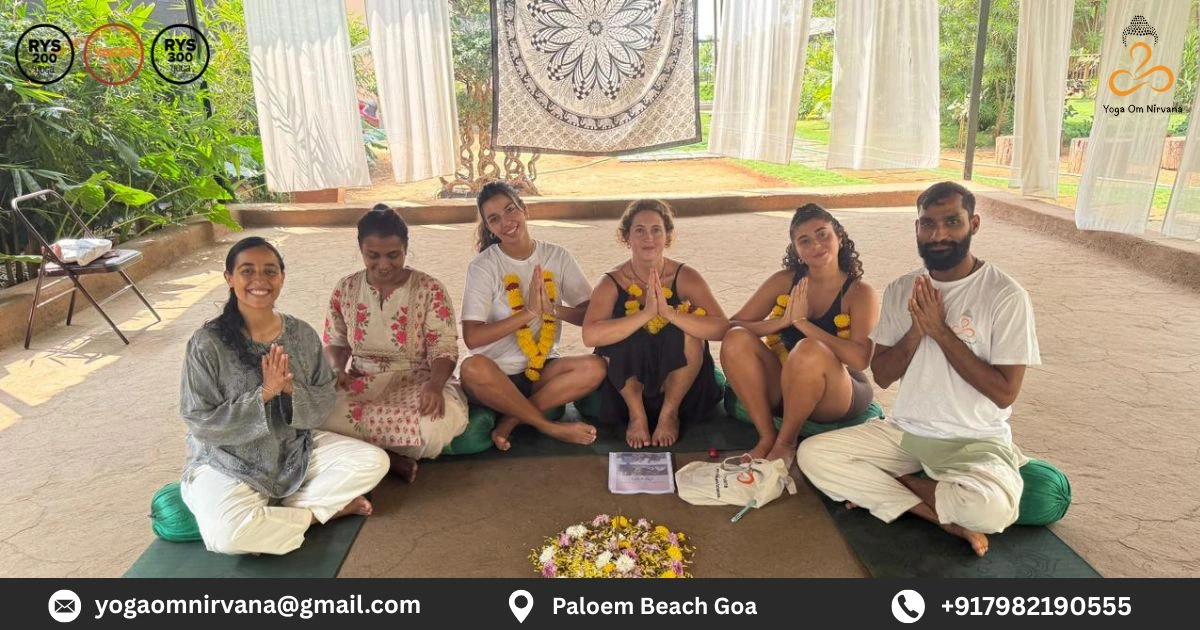
Yoga Om Nirvana offers yoga teacher training programs in destinations including Goa and Dharamshala. If you are considering Yin Yoga teacher training, check the current course schedule, curriculum, duration, prerequisites, and certification details directly with the school. These details can help you choose a program that aligns with your personal practice or professional development goals.
For aspiring teachers, learning how to adapt poses for different bodies is particularly important. Effective instruction involves more than demonstrating a posture: it requires understanding when to offer modifications, how to communicate sensations clearly, and how to help students practice without unnecessary strain. A thoughtful training experience can support the development of these teaching skills.
Final Thoughts: Progress Through Patience, Not Pressure
Flexibility develops through regular practice, appropriate movement, and respect for individual limits. Yin Yoga offers a slower way to explore stretching while cultivating patience and body awareness. By selecting suitable postures, using props, and paying attention to your body’s signals, you can build a more sustainable approach to mobility.
Whether you are beginning your yoga journey or expanding your existing practice, Yin Yoga for Flexibility Training can be a valuable part of a balanced routine. Start with a few comfortable poses, remain consistent, and allow progress to happen gradually.
Explore yoga classes and training opportunities with Yoga Om Nirvana to learn more about mindful movement and the foundations of Yin Yoga. Remember, the goal is not to force your body into a perfect shape but to develop a practice that supports your movement, comfort, and long-term well-being.
Frequently Asked Questions
- What is Yin Yoga for Flexibility Training?
Yin Yoga for Flexibility Training is a slow-paced yoga practice that uses sustained, comfortable postures to explore range of motion, body awareness, and relaxation. Practitioners often use props and modify poses to suit their individual needs.
- How often should I practice Yin Yoga to improve flexibility?
Many beginners can start with two or three sessions per week. The right frequency depends on your overall exercise routine, comfort, and recovery. Consistent practice may improve flexibility over time, but progress varies between individuals.
- Is Yin Yoga suitable for beginners?
Yes, many beginners can explore Yin Yoga with simple postures, shorter holds, and supportive props. Start gently and avoid forcing your body into deep stretches. If you have an injury or medical concern, seek professional guidance before beginning.
- Which Yin Yoga poses are best for flexibility?
Butterfly Pose, Caterpillar Pose, Reclined Butterfly, Sphinx Pose, and supported lunges are common options. The most suitable poses depend on your mobility, anatomy, comfort, and individual goals.
- Can Yin Yoga help with tight hips and hamstrings?
Yin Yoga can help you explore comfortable hip and hamstring movement through supported stretching. However, persistent tightness or pain may have different causes, so avoid assuming that deeper stretching is always the solution.
Our Social Media Accounts
https://www.facebook.com/p/Yoga-Om-Nirvana-61560466667204