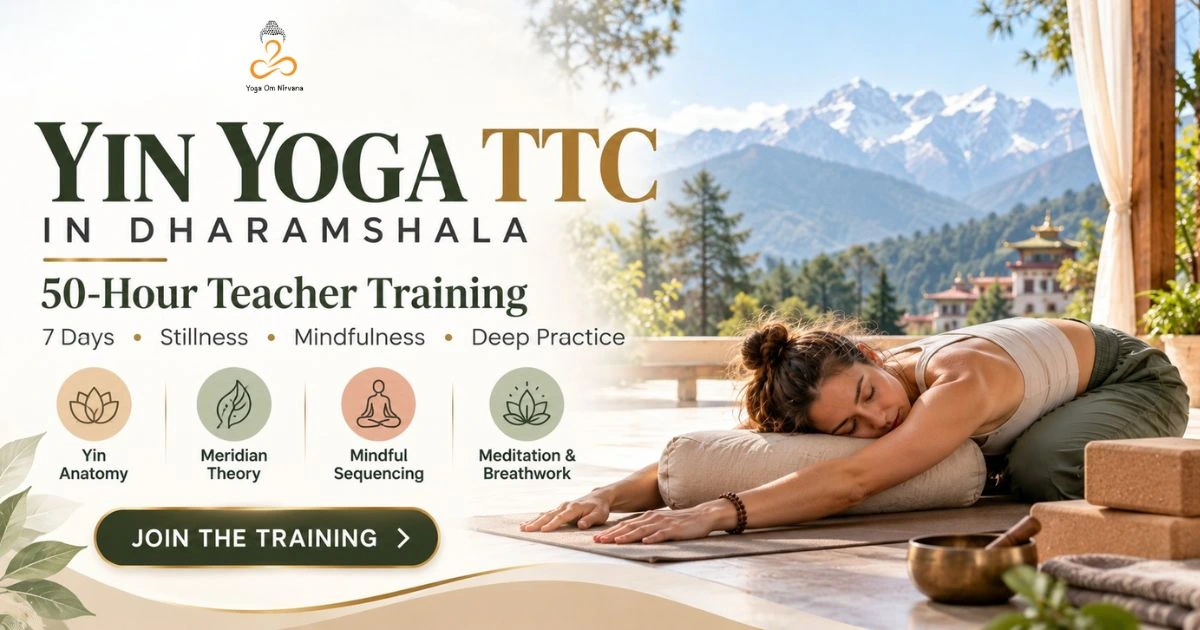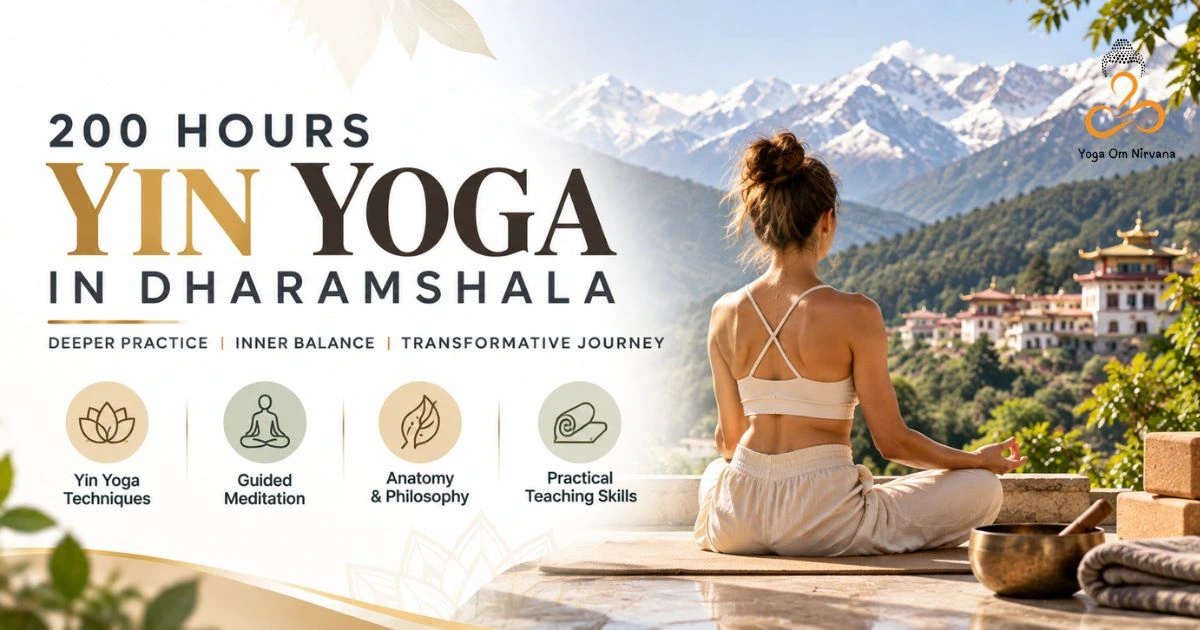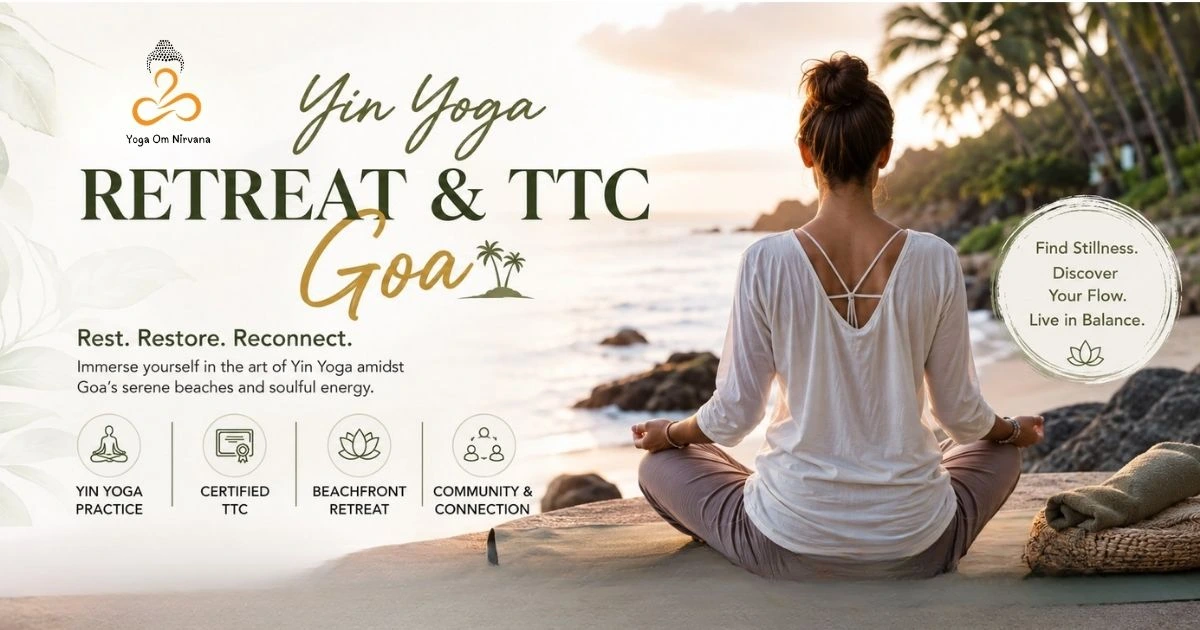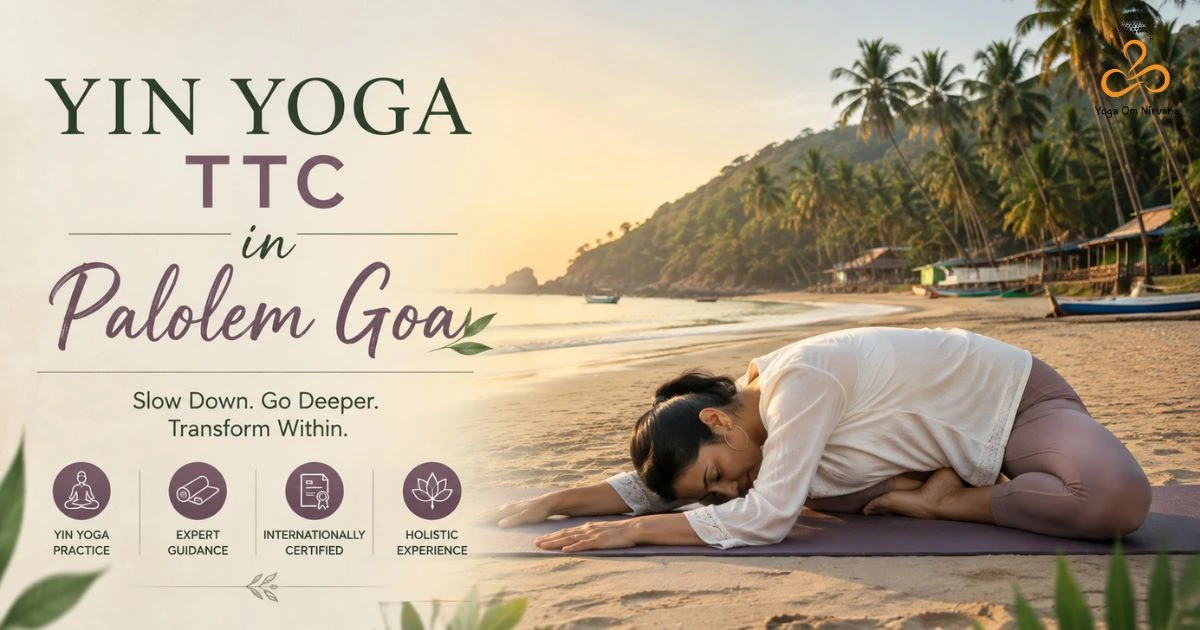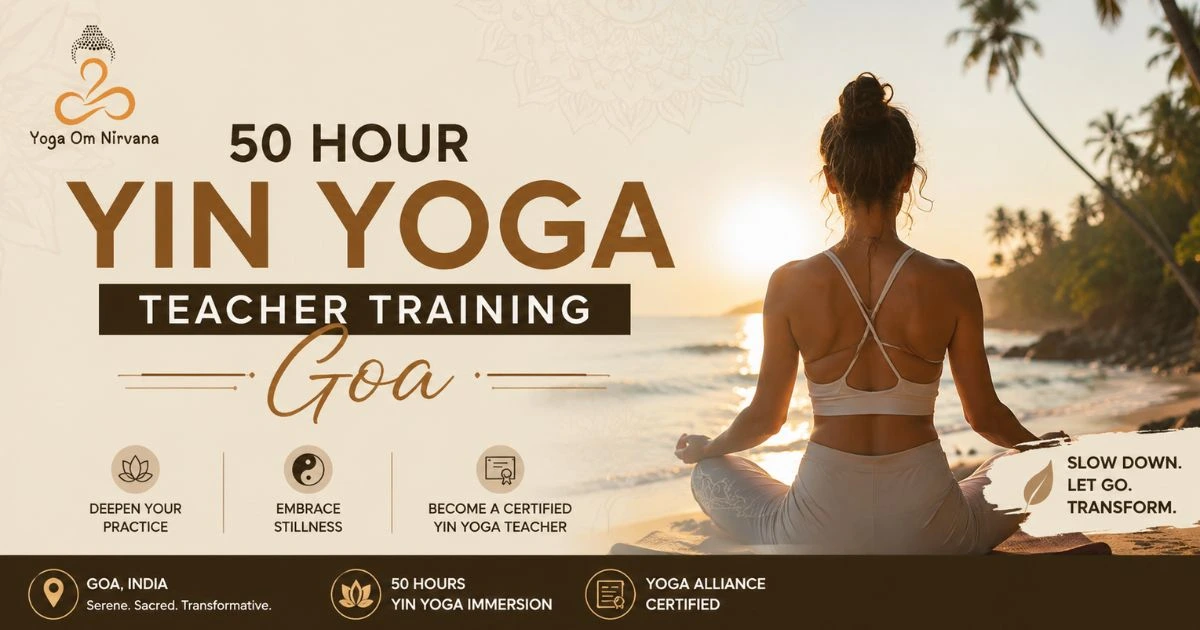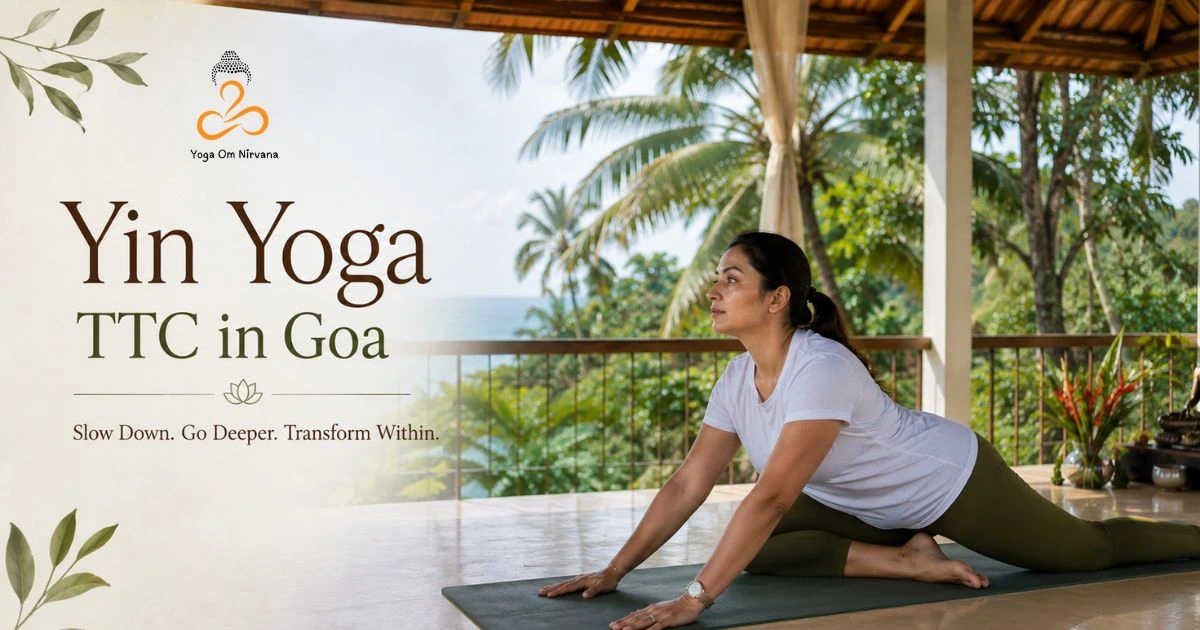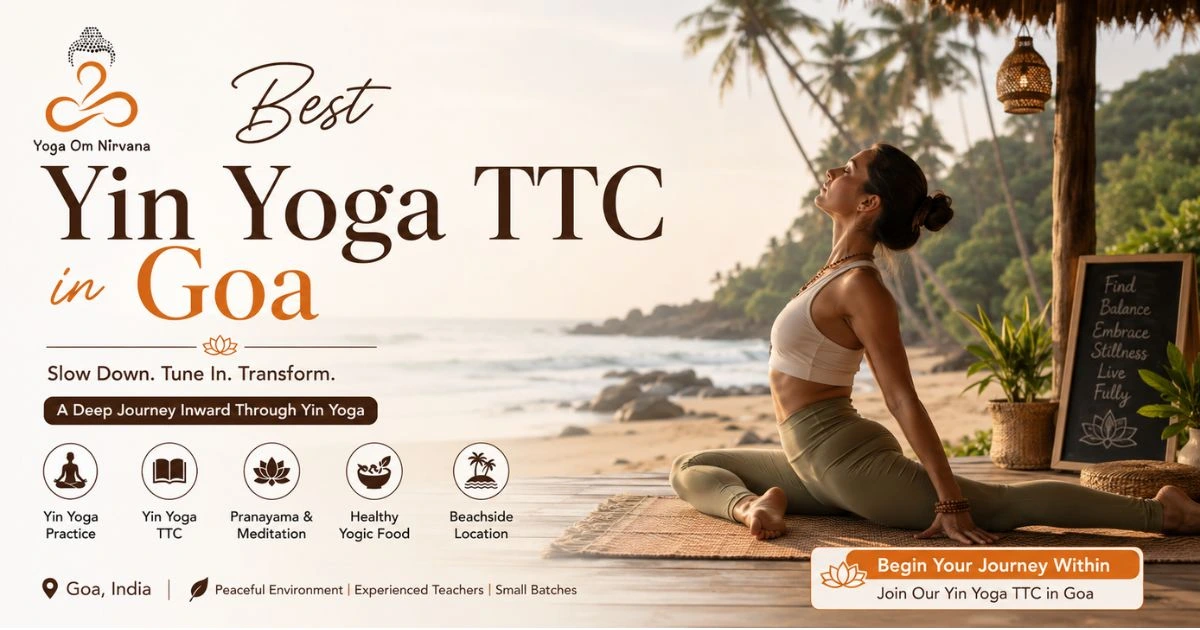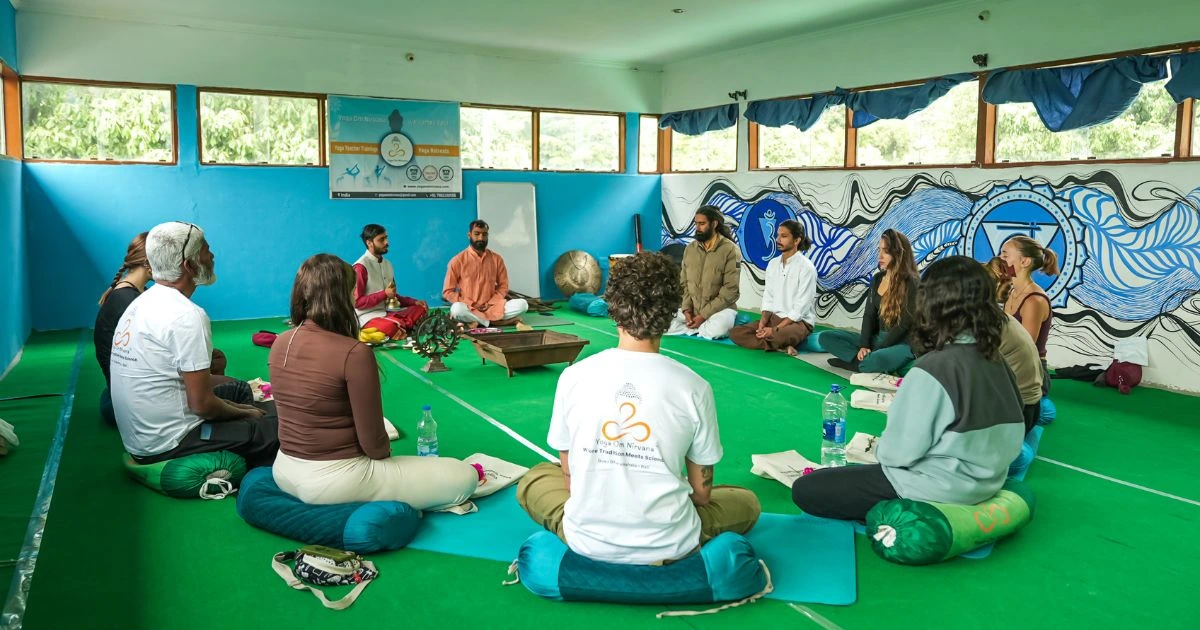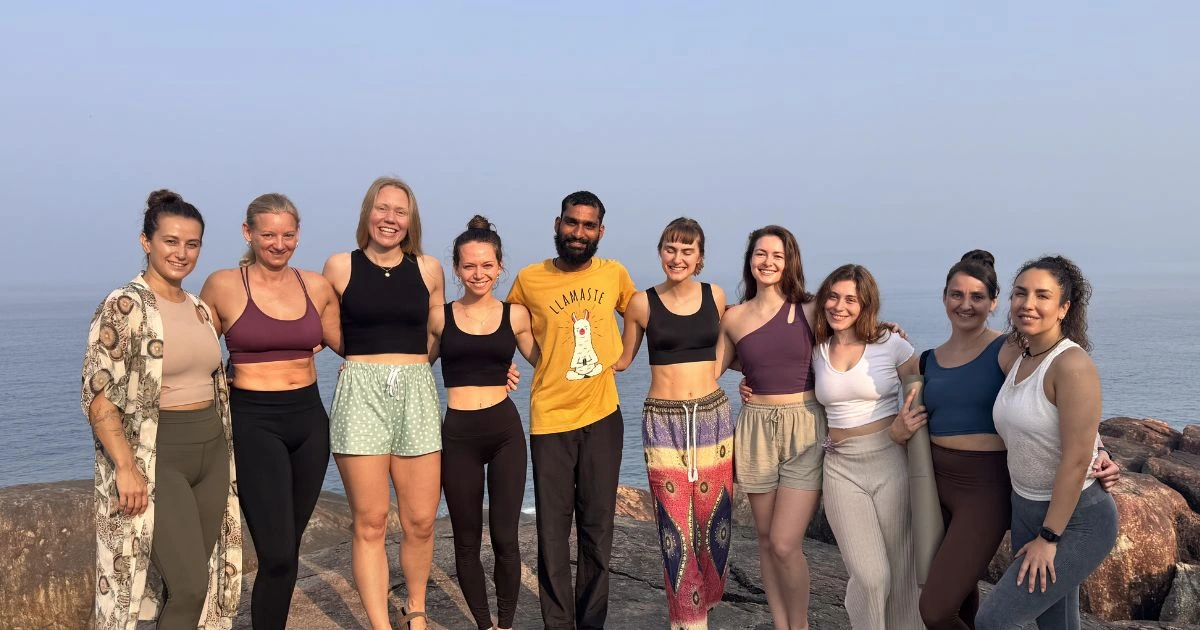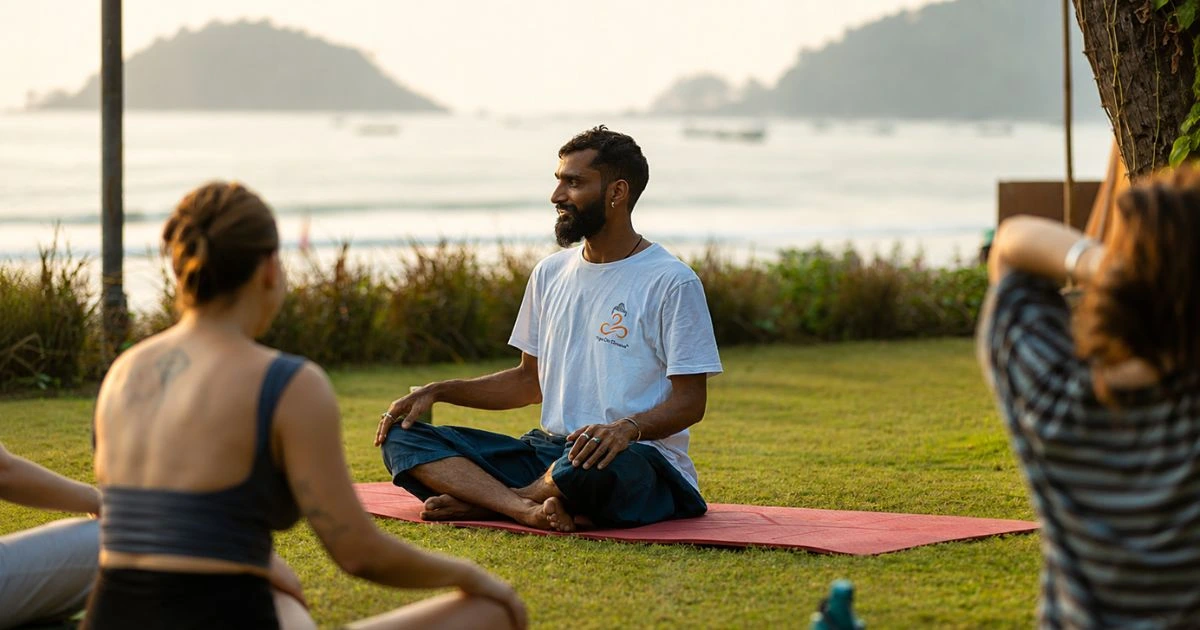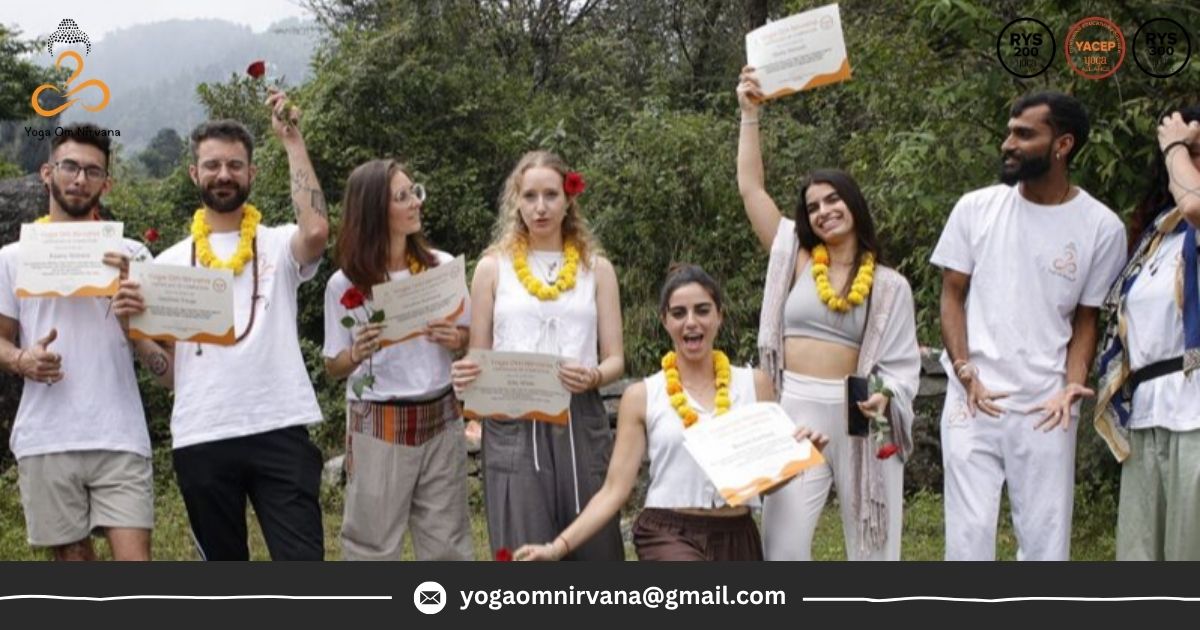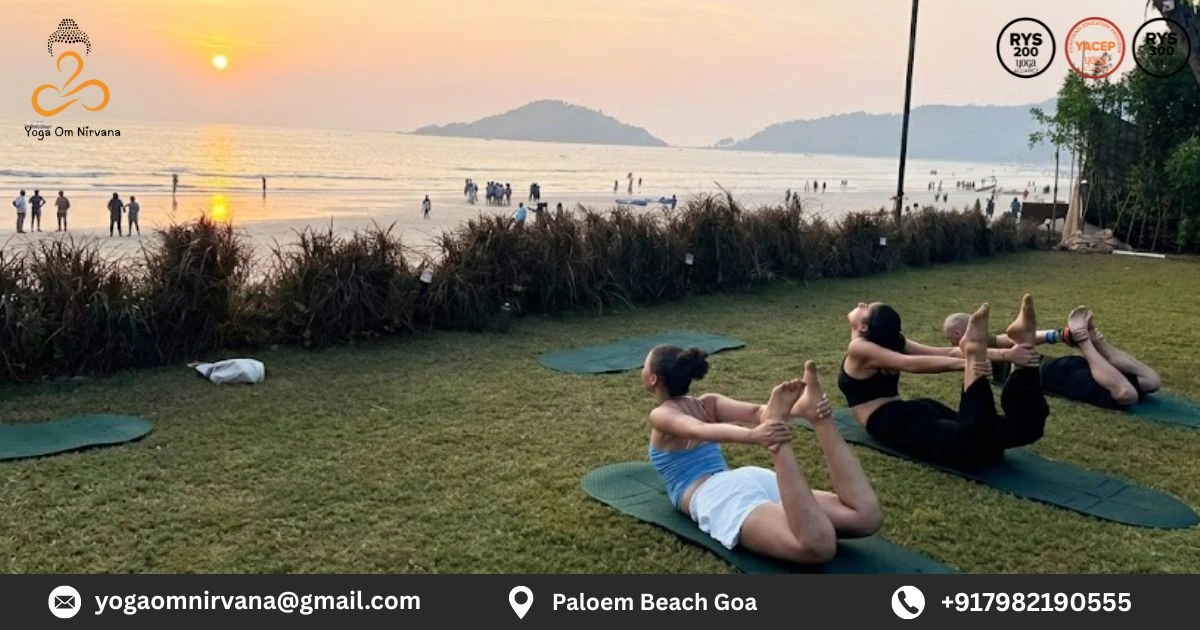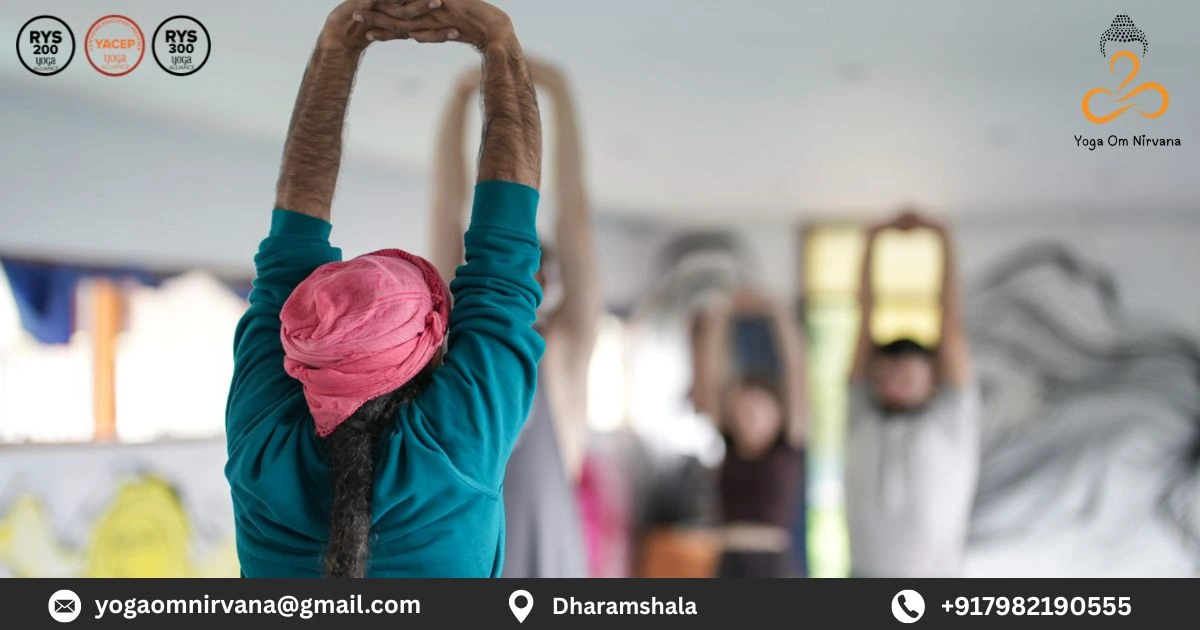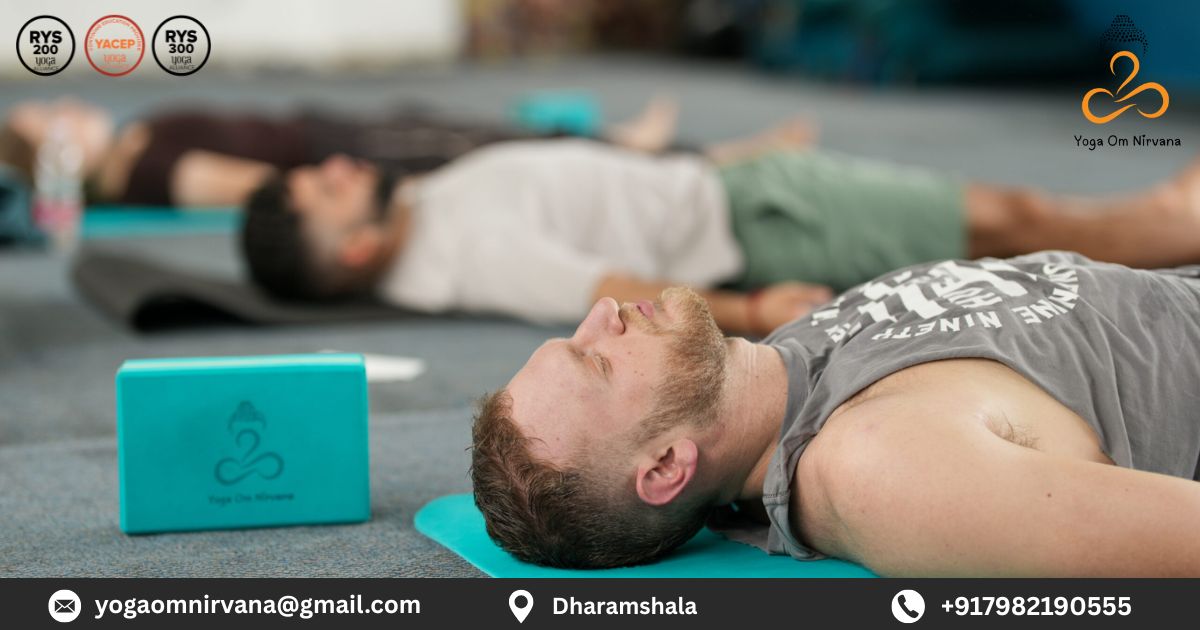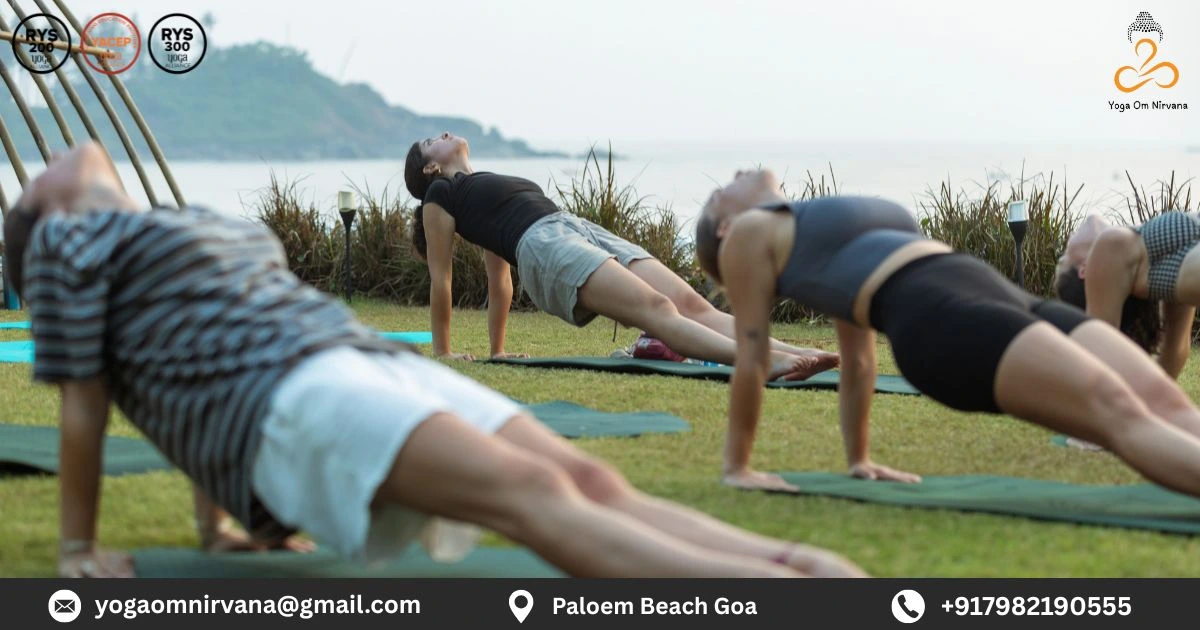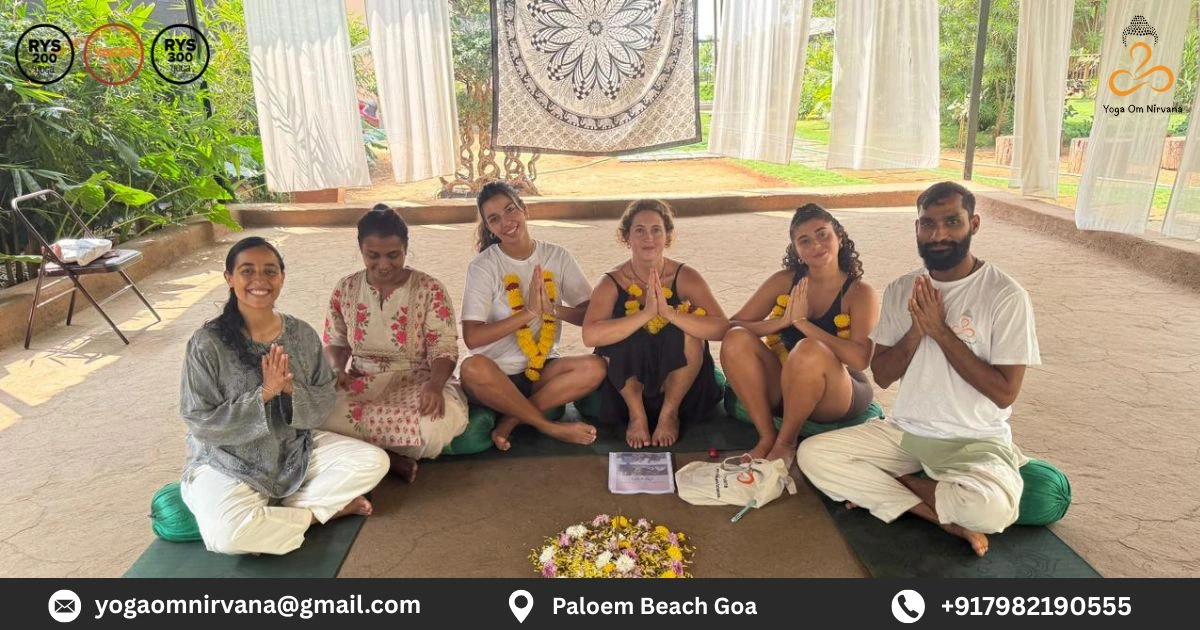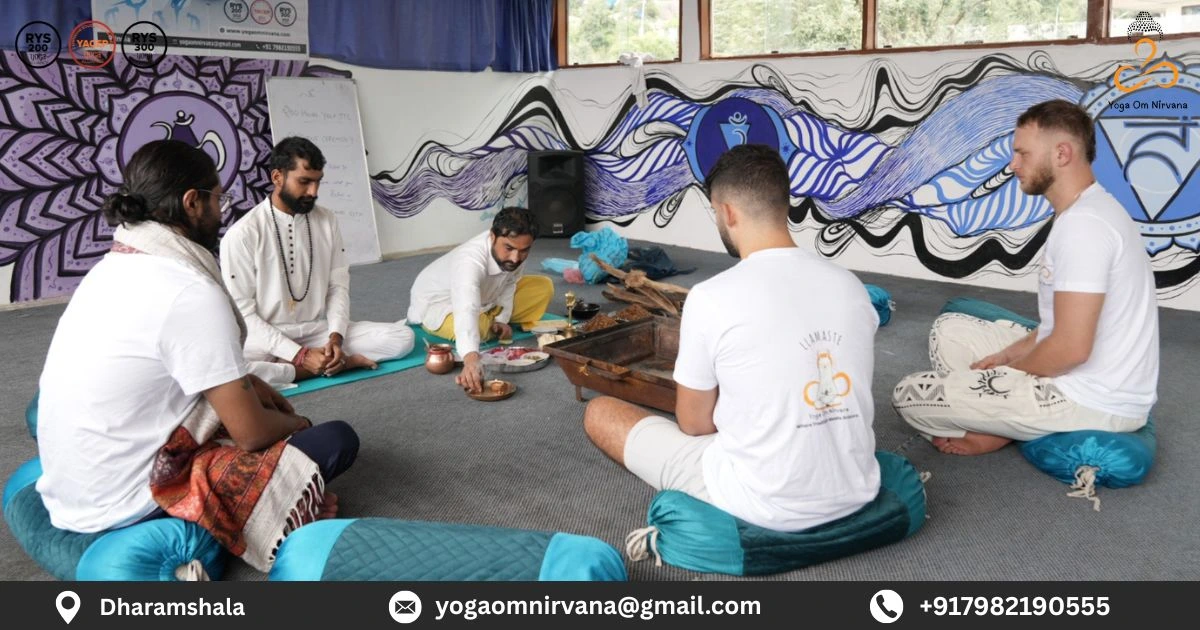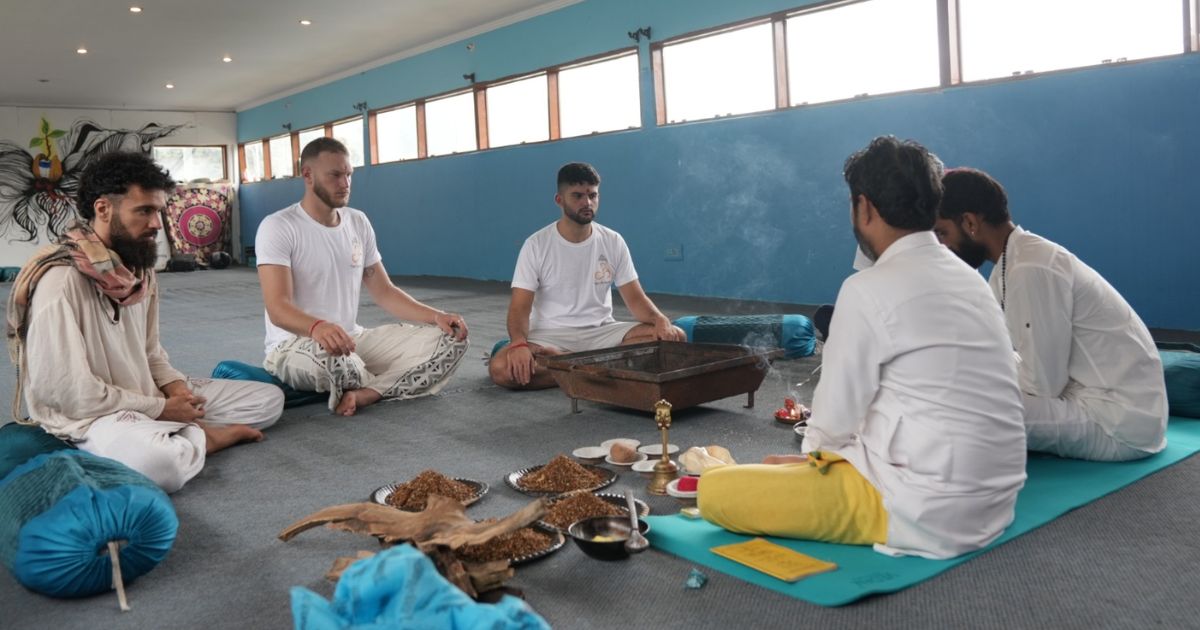
In a world filled with constant activity, demanding schedules, and digital distractions, finding time to slow down has become increasingly important. Yoga offers several ways to reconnect with the body and mind, and Yin Yoga stands out for its gentle pace, sustained postures, and emphasis on mindful awareness. Rather than focusing on continuous movement, this practice encourages participants to pause, breathe, and observe their physical sensations with patience.
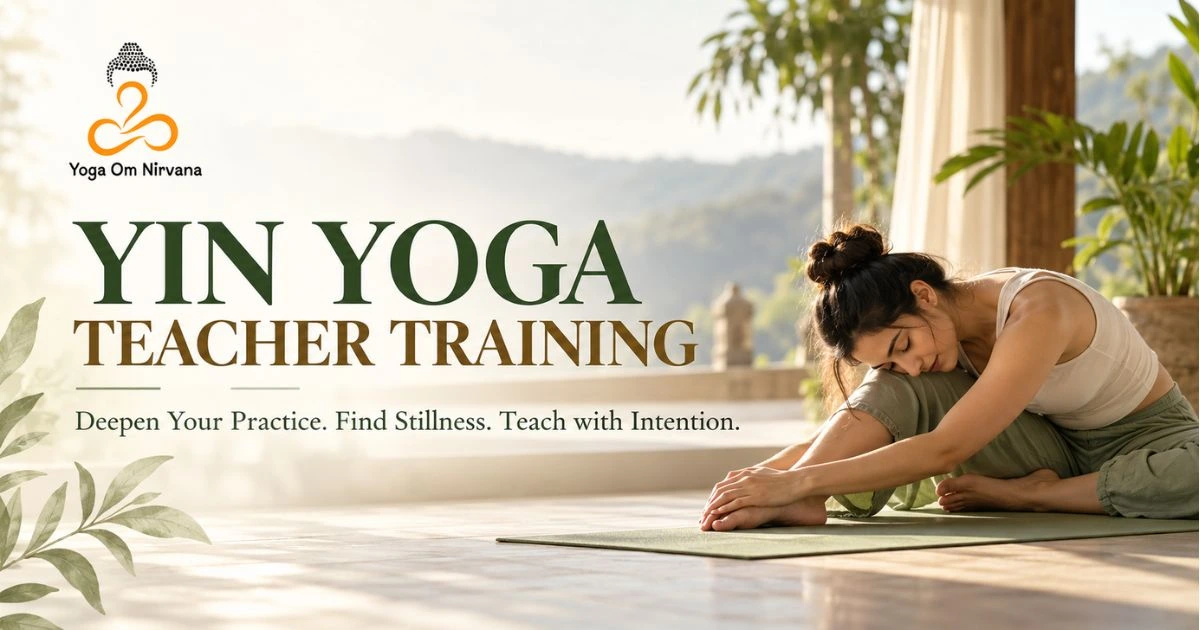
For practitioners who want to explore this approach in greater depth, Yin Yoga Training provides an opportunity to understand the philosophy, postures, teaching principles, and mindful techniques behind the practice. Whether you are an experienced yoga teacher, a dedicated practitioner, or someone interested in expanding your knowledge of yoga, structured training can help you develop a more informed approach.
Yoga Om Nirvana offers yoga education opportunities for individuals who want to deepen their understanding of yoga and explore teacher training programs. By choosing a suitable course, learners can discover how Yin Yoga fits into a balanced yoga routine and how its principles can support thoughtful, student-centred teaching.
What Is Yin Yoga? Discover the Power of Slowing Down
Yin Yoga is a slow-paced yoga style that uses sustained, mostly passive postures to encourage awareness of physical sensations and breathing. Practitioners generally hold poses for several minutes, adjusting their position according to comfort, mobility, and individual needs. Props such as bolsters, blankets, and blocks can provide support and help make postures more accessible.
Unlike dynamic yoga styles that emphasise continuous movement and muscular engagement, Yin Yoga creates space for stillness. Practitioners have time to observe their breathing, notice changes in sensation, and develop patience. Although the practice may appear simple, it requires careful attention to positioning, individual anatomy, and personal limitations.
Furthermore, Yin Yoga does not ask practitioners to achieve a perfect pose. Instead, it encourages them to explore a suitable position without forcing their bodies. Through Yin Yoga Training, participants can learn why individual differences matter and how to approach each posture with greater awareness and care.
Why Yin Yoga Training Is Becoming an Important Part of Yoga Education
Yoga practitioners increasingly explore different styles to develop a broader understanding of movement, mindfulness, and relaxation. While dynamic practices can offer an active physical experience, Yin Yoga introduces a slower approach that emphasises sustained positions and observation. Consequently, learning this style can help practitioners understand how different yoga methods serve different purposes.
For yoga teachers, additional training can also expand their teaching options. An instructor who primarily teaches Hatha or Vinyasa Yoga may wish to incorporate slower sessions into their schedule. By learning about Yin Yoga, teachers can explore alternative ways to structure classes, guide breathing, and offer posture modifications according to students’ needs.
However, effective instruction requires more than memorising a series of poses. Teachers need to understand the purpose of each posture, recognise individual limitations, and communicate appropriate modifications. A well-structured Yin Yoga Training program can introduce these principles and help participants develop a more thoughtful approach to teaching.
Explore the Essential Principles Behind Yin Yoga
One of the central principles of Yin Yoga involves finding an appropriate position and allowing the body to settle without forcing movement. Practitioners gradually enter a posture, explore a manageable range of sensation, and remain attentive to their comfort. This approach recognises that flexibility and mobility differ from person to person.
Another principle is stillness. Once practitioners find a suitable position, they generally minimise unnecessary movement while continuing to monitor their physical responses. Nevertheless, stillness should never mean ignoring discomfort or warning signs. Sharp pain, numbness, tingling, or unusual sensations are reasons to adjust or leave a posture.
Mindfulness also plays an important role in Yin Yoga. Practitioners learn to observe their thoughts and sensations without immediately judging them or trying to change every experience. During training, participants can explore how these principles influence class sequencing, verbal guidance, and the way instructors create a supportive learning environment.
Learn the Foundational Yin Yoga Poses and Their Variations
Yin Yoga includes a range of seated, reclining, and supported postures. Each position offers a different movement experience, and teachers need to understand how small adjustments can change the sensations a student experiences. Therefore, learning posture variations is just as important as learning traditional pose names.
Some commonly practised Yin Yoga postures include:
- Butterfly Pose: A seated position that allows practitioners to explore sensations around the hips and inner thighs.
- Caterpillar Pose: A seated forward fold that can be modified with cushions or a bolster.
- Sphinx Pose: A gentle backbend that introduces spinal extension.
- Dragon Pose: A low-lunge variation that may create sensations around the front of the hips and thighs.
- Child’s Pose: A forward-folding position that can be supported with cushions or bolsters.
- Supported Reclined Bound Angle Pose: A reclining position that uses props to support a comfortable, restful experience.
During Yin Yoga Training, participants may explore these postures through demonstrations, guided practice, and discussions about modifications. This process helps them understand how to adapt a position rather than asking every student to reproduce the same shape.
Moreover, teachers should remember that no posture works equally well for every body. Individual anatomy, previous injuries, mobility, and comfort can influence how someone experiences a pose. A mindful instructor therefore prioritises safe positioning and individual choice over visual perfection.
What Will You Learn in a Yin Yoga Training Course?
A comprehensive Yin Yoga Training course may introduce learners to the history, philosophy, and foundational principles of the practice. Participants can explore sustained postures, mindful breathing, posture selection, and the relationship between physical sensations and awareness. Depending on the curriculum, the program may also introduce relevant anatomy and explain how individual differences influence posture choices.
In addition to theory, practical learning can help participants develop useful skills. These may include using props, offering modifications, planning a class sequence, and giving clear verbal instructions. Some programs also include teaching practice, group discussions, meditation, and feedback from instructors.
For those interested in teaching, it is particularly important to understand class structure. A well-planned session should have a clear intention, appropriate transitions, and enough time for students to settle into and leave postures comfortably. Before enrolling, prospective learners should review the syllabus and confirm which practical and assessment components the course includes.
Discover the Physical and Mental Benefits of Yin Yoga
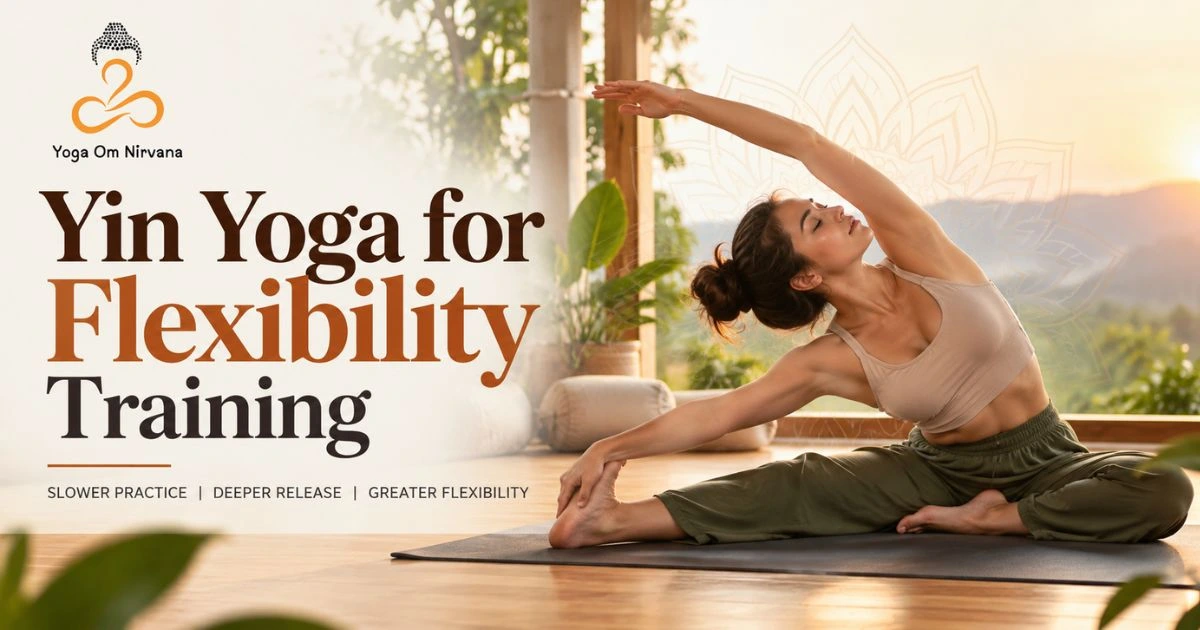
Many people explore Yin Yoga because its slower pace gives them an opportunity to pay attention to their bodies. Appropriate sustained postures may help practitioners explore flexibility and mobility gradually. However, individual results vary, and the practice should never involve forcing a joint or stretching through pain.
Yin Yoga can also provide an opportunity to practise mindfulness and relaxation. By paying attention to their breathing and physical sensations, practitioners may become more aware of how they respond to stillness and everyday stress. Some people find this approach useful as part of a broader routine that includes sufficient sleep, regular movement, and other healthy habits.
Nevertheless, Yin Yoga does not guarantee particular physical or mental health outcomes, and it should not replace appropriate medical care. A responsible training program should explain the importance of adapting practice to individual needs and recognising when professional guidance may be necessary.
Who Should Consider Yin Yoga Teacher Training?
Yin Yoga teacher training may be particularly relevant for yoga instructors who want to expand their knowledge of different teaching styles. Teachers who specialise in Hatha, Ashtanga, or Vinyasa Yoga may find it useful to explore how sustained postures and mindful observation can complement their existing classes.
Experienced practitioners may also consider training to deepen their understanding of Yin Yoga. Learning about posture variations, class planning, and the principles behind the practice can support their personal development. However, personal experience alone does not necessarily provide the skills required for professional instruction.
Beginners can start by attending introductory Yin Yoga classes before choosing a more comprehensive course. This allows them to experience the pace of the practice and decide whether they want to pursue further education. In every case, prospective students should check the training provider’s prerequisites, learning outcomes, and certification requirements.
How to Choose the Best Yin Yoga Training Program
Choosing a suitable program requires more than comparing prices or course durations. Prospective learners should examine the syllabus, instructor experience, practical teaching opportunities, and support available during the course. These factors help determine whether the program matches their goals and previous experience.
Before enrolling, use this checklist:
- Curriculum: Confirm that the program covers Yin Yoga philosophy, postures, anatomy, modifications, and teaching methodology.
- Instructor experience: Review the teacher’s relevant training and teaching background.
- Learning format: Check whether the program is in person, online, residential, or hybrid.
- Practical experience: Ask whether supervised teaching practice and constructive feedback are included.
- Eligibility: Understand the prerequisites and any required prior yoga experience.
- Certification: Confirm what the certificate represents and whether any external recognition applies.
- Course fees: Check whether tuition includes learning materials, accommodation, meals, and assessments.
- Ongoing learning: Ask whether the provider offers further educational opportunities.
Furthermore, prospective students should verify any claims about accreditation or recognition directly with the relevant organisation. Completing a training course does not automatically grant every participant professional teaching eligibility or guarantee employment. Reviewing these details beforehand can help learners make a more informed decision.
Why Explore Yoga Education with Yoga Om Nirvana?
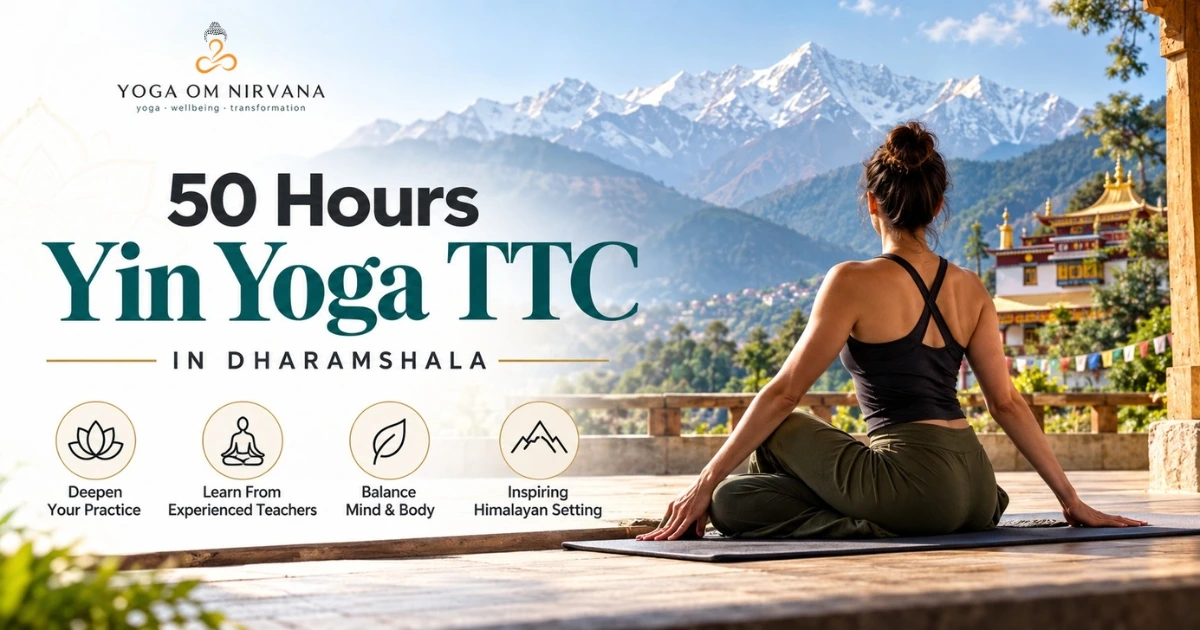
Yoga Om Nirvana offers yoga teacher training opportunities for practitioners who want to deepen their knowledge and develop their teaching abilities. With yoga education programs in destinations including Goa and Dharamshala, the school provides opportunities for learners to explore yoga in different settings.
For those interested in Yin Yoga Training, the next step is to review the current course offerings and confirm whether a suitable program is available. Prospective participants should ask about the curriculum, course duration, location, instructor experience, practical components, and eligibility requirements before making a decision.
Additionally, learners who plan to travel for training should clarify accommodation arrangements, travel considerations, and any additional costs. Understanding these details can make it easier to prepare for the learning experience and choose a program that fits their schedule and professional goals.
Visit the official website, https://yogaomnirvana.com/, to explore Yoga Om Nirvana’s yoga education opportunities and contact the team for current course information.
How Yin Yoga Complements Hatha, Ashtanga, and Vinyasa Yoga
Different yoga styles offer different experiences, and Yin Yoga can complement more dynamic practices. For example, practitioners who regularly attend Vinyasa classes may appreciate a session that emphasises sustained postures, mindful breathing, and stillness rather than continuous transitions.
Similarly, people who practise Hatha Yoga may explore Yin Yoga to experience a different pace and approach to posture work. However, each style has its own teaching methods and objectives. The most appropriate combination depends on personal preferences, physical needs, and guidance from a qualified instructor.
For yoga teachers, learning multiple approaches can support more flexible class planning. Rather than combining styles without a clear purpose, instructors can consider the needs of their students and the intended focus of each session. Yin Yoga Training can help teachers develop a broader understanding of how different practices may fit into a balanced yoga routine.
The Role of Anatomy, Modifications, and Safety in Yin Yoga
Understanding anatomy is an important part of responsible Yin Yoga practice. People differ in bone structure, joint mobility, tissue characteristics, and movement range. Consequently, the same posture may feel comfortable for one person and unsuitable for another.
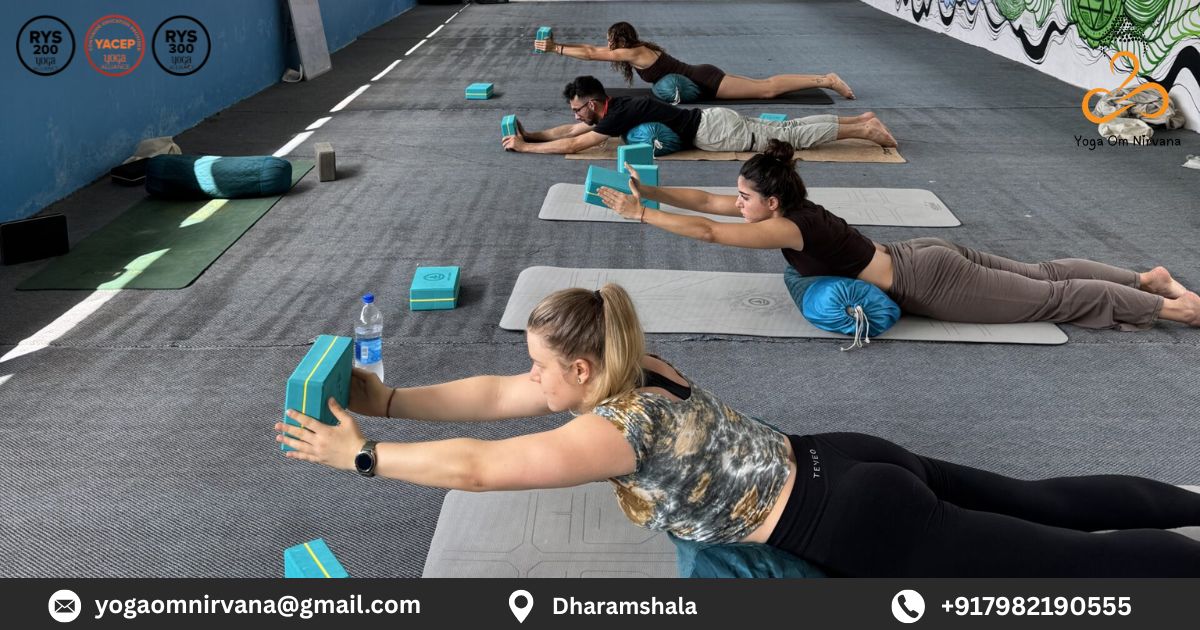
During training, learners should explore how props and posture variations can help accommodate individual needs. A bolster may support the torso, a folded blanket may provide cushioning, and a block may help modify a position. These adjustments allow practitioners to explore a posture without treating flexibility as a competition.
Safety also requires clear communication. Instructors should encourage students to report discomfort, move out of positions when necessary, and avoid forcing their bodies into unfamiliar ranges. People with injuries, significant mobility limitations, or relevant medical concerns should seek appropriate professional advice about suitable modifications. By making safety a priority, teachers can create a more supportive learning environment.
Turn Your Interest in Yin Yoga into a Meaningful Learning Journey
Beginning Yin Yoga does not require advanced flexibility or years of experience. Instead, practitioners can start with suitable guided classes, learn basic modifications, and gradually become familiar with the practice’s slower rhythm. Consistency, patience, and awareness are more useful than trying to achieve a particular shape.
For those who want to deepen their knowledge, yin yoga training can offer a structured way to study posture selection, mindfulness, anatomy, and teaching principles. The right course should support learning at an appropriate level and help participants understand both the possibilities and limitations of the practice.
Yoga Om Nirvana provides a starting point for exploring yoga education opportunities and identifying a program that suits your interests. Review the available offerings, ask questions about the curriculum, and choose a course that supports your personal development or future teaching ambitions.
Frequently Asked Questions
1. What is Yin Yoga Training?
Yin Yoga Training is an educational program that explores Yin Yoga philosophy, sustained postures, mindful breathing, anatomy, modifications, and teaching methods. The curriculum varies according to the provider and course level.
2. How long does Yin Yoga Training take?
Course duration depends on the curriculum, teaching format, and level. Introductory workshops may take a few days, while more comprehensive programs may require a longer commitment. Confirm the schedule with the provider.
3. Who can enrol in Yin Yoga Training?
Eligibility depends on the program. Some courses welcome dedicated practitioners, while teacher training programs may require previous yoga experience or other prerequisites. Check the admission criteria before registering.
4. What are the benefits of Yin Yoga?
Yin Yoga provides an opportunity to explore flexibility, mobility, mindful breathing, and relaxation. Individual experiences vary, and practitioners should follow suitable modifications rather than force stretches or ignore pain.
5. Can Yin Yoga Training help me become a yoga teacher?
A suitable course may help develop teaching knowledge and practical skills. However, certification requirements and teaching eligibility vary, so learners should confirm what the program qualifies them to do.
Our Social Media Accounts
https://www.facebook.com/p/Yoga-Om-Nirvana-61560466667204